

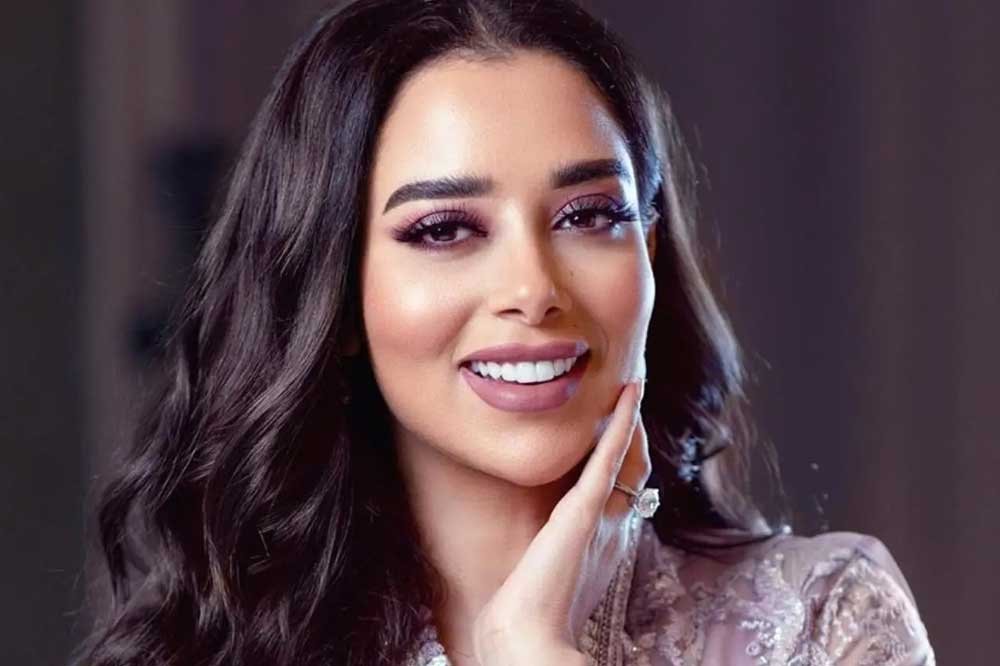
In the ever-evolving landscape of Middle Eastern music, few artists embody both heritage and modernity as seamlessly as Balqees Fathi. A singer, performer, mother, and symbol of Arab empowerment, Balqees has become more than a pop star — she’s a movement. With her soulful voice, fearless creativity, and magnetic presence, she represents a new generation of Arab women redefining fame on their own terms.
A Voice Born from Legacy
Balqees’s story begins in a home filled with rhythm and poetry. Born to Yemeni musical legend Ahmed Fathi, one of the Arab world’s most respected oud players and composers, she was surrounded by melody long before she could even speak. “I grew up backstage,” she once said in an interview, “watching my father perform taught me the discipline behind the magic.”
But despite this artistic upbringing, Balqees’s journey wasn’t preordained. Her mother, aware of the challenges women face in entertainment, encouraged her to pursue education before music. Balqees earned her degree in Business Management — a decision that would later shape her as one of the region’s most business-savvy artists.
Yet the call of the stage proved irresistible. With her father’s blessing and her own relentless determination, she began building her career from scratch — not as a celebrity’s daughter, but as a woman carving her own voice in a male-dominated industry.
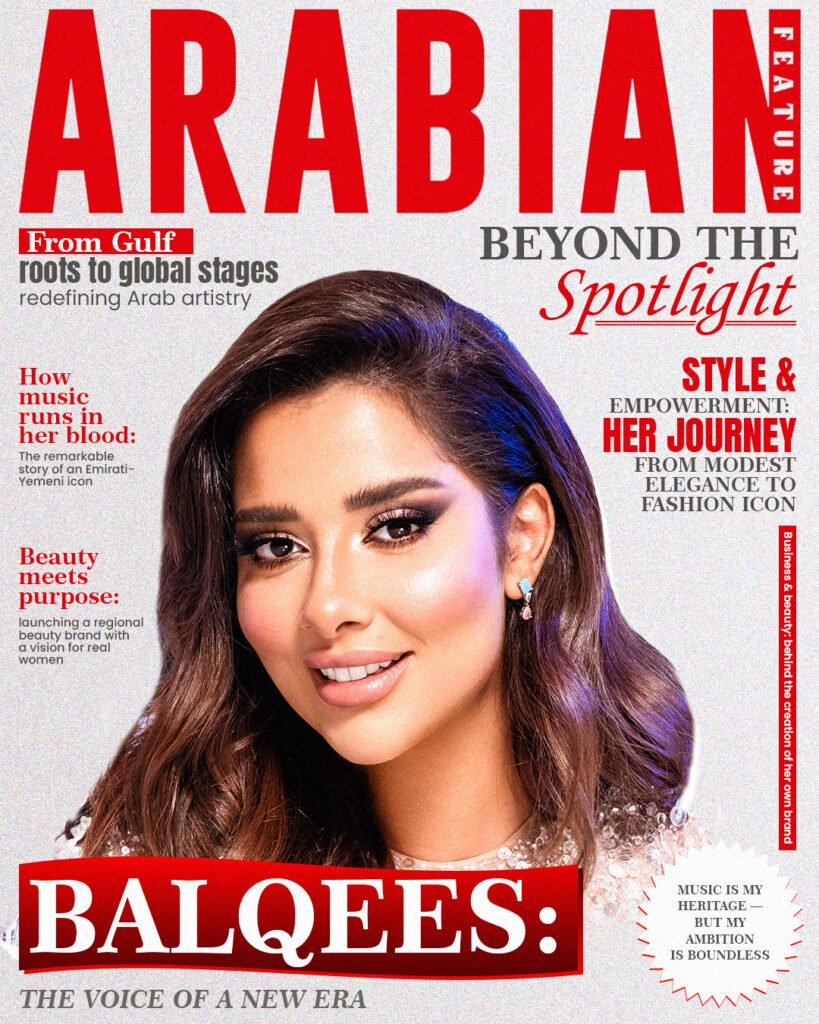
Breaking the Sound Barrier
Balqees’s rise was anything but ordinary. Her debut single Masala Sahla caught regional attention for its lively rhythm and her distinct vocal style — a blend of Yemeni soul and Emirati confidence. By the time her debut album Majnoun Balqees dropped, the Arab pop world had a new face — and a new sound.
Her early music combined Gulf melodies with cinematic arrangements, creating something modern yet unmistakably regional. Audiences saw in her a reflection of what the Middle East was becoming: youthful, ambitious, and unapologetically creative.
Balqees’s ability to switch between Arabic dialects — Yemeni, Gulf, Egyptian, and even Moroccan — helped her connect with a wide spectrum of fans. It wasn’t just music; it was cultural diplomacy through sound.
An Artist Who Performs Like She Breathes
To watch Balqees perform is to witness emotion in motion. Her stage presence radiates elegance and energy — commanding attention without needing extravagance. Whether it’s a stadium concert, a royal event, or an orchestral collaboration, she moves with poise and conviction.
In 2016, she made history by performing alongside Andrea Bocelli — one of the world’s greatest tenors — in Abu Dhabi. The performance wasn’t merely a duet; it was a declaration that Arab women belong on the world stage. Her operatic range and composure next to Bocelli showcased a new era of musical confidence coming from the Middle East.
That moment solidified Balqees as not just a pop sensation, but a global ambassador for Arab talent.
Defining Modern Arab Femininity
Balqees is more than a singer — she’s a storyteller of modern Arab womanhood. Her songs often carry messages of resilience, independence, and emotional truth. In Sabra, she explores strength through heartbreak. In Entaha, she confronts betrayal with poise. And in La Vie Is Good, sung partly in Moroccan Arabic, she celebrates cultural connection and joy.
Her authenticity extends beyond music. Balqees openly discusses motherhood, divorce, and the pressures of public life — topics often whispered about in the region. Yet she approaches them not as scandals, but as realities that deserve respect and dialogue. This transparency has made her deeply relatable to fans across the Arab world.
“I don’t want perfection,” she once said. “I want truth — and I want my audience to see themselves in that truth.”
Fashion, Fame, and Fearlessness
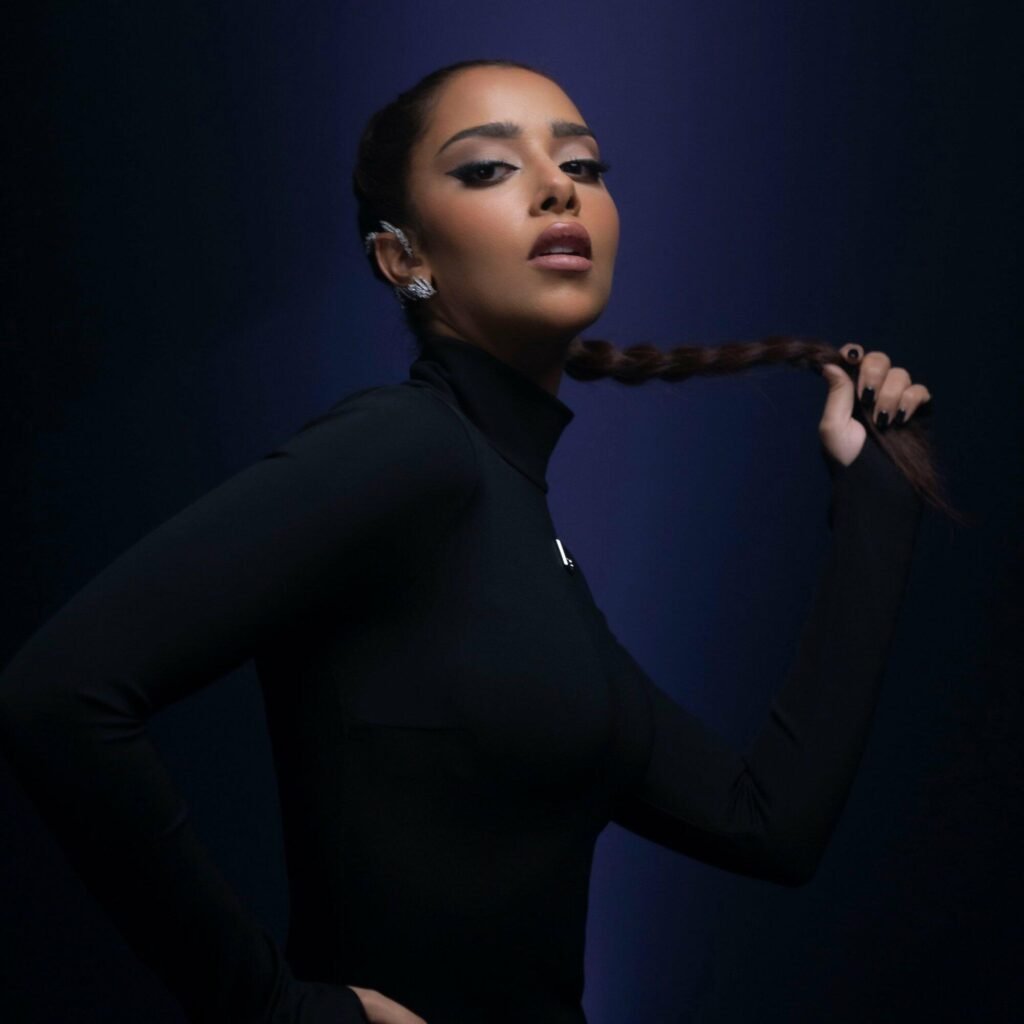
It’s impossible to separate Balqees from her striking sense of style. From couture gowns at film festivals to modestly modern ensembles in music videos, she uses fashion as a form of expression — elegant, daring, and always authentic.
Her collaboration with brands like Dolce & Gabbana, Versace, and Cartier has elevated her status as a regional fashion icon. Yet, she’s just as comfortable celebrating traditional Yemeni embroidery or Gulf abayas. To her, fashion is not about trends — it’s about cultural storytelling.
Balqees has also used her platform to champion women’s empowerment campaigns and speak out about self-worth. In a region where women’s visibility in entertainment was once limited, she has redefined what it means to be both glamorous and grounded.
Music with Meaning
Balqees’s artistry lies not only in her vocals but in her vision. Every song she releases carries intention — whether it’s highlighting Arabic poetic tradition or experimenting with global sounds. Her albums, from Zai Ma Ana to Hala Jadida, reflect evolution: each track crafted with emotional precision and cultural pride.
Her recent music videos have leaned into cinematic storytelling — visually rich, symbolically layered, and unapologetically ambitious. Balqees treats each release as a statement, pushing the production quality of Arab pop to new heights.
Behind the camera, she’s equally hands-on. As a producer and creative director, she ensures her work remains cohesive and reflective of her values — proving she’s not just the voice but the vision behind her art.
Beyond Music: Building a Legacy
Balqees’s influence reaches far beyond the stage. She’s an entrepreneur, philanthropist, and advocate for cultural exchange. In 2024, she announced plans to launch her own beauty and wellness brand, tailored to Middle Eastern women — celebrating natural tones and regional aesthetics often overlooked by global labels.
She’s also become a regular presence at international conferences and fashion summits, speaking about the evolution of Arab entertainment and the importance of creative representation. Her role as a mentor for young artists reflects her belief that success means nothing unless it inspires others.
Despite her fame, Balqees remains grounded. She spends much of her free time with her son, often sharing glimpses of motherhood that are refreshingly real. “Balance doesn’t mean perfection,” she says. “It means presence — being fully where you are, whether that’s on stage or at home.”
Recognition and Accolades
Balqees’s achievements are widely recognized — from her inclusion in Forbes Middle East’s 30 Under 30 to international media features in Vogue Arabia, Harpers Bazaar, and Elle Middle East. But perhaps her greatest accomplishment lies in the respect she commands from both industry veterans and fans alike.
To many, she’s the voice that bridged a generational gap — making Arabic music feel global without losing its soul.
Looking Ahead
As she continues to evolve, Balqees shows no signs of slowing down. Her upcoming projects reportedly blend Arabic instrumentation with electronic and orchestral elements — a sound she describes as “modern majesty.” She’s also exploring collaborations with Western and African artists, aiming to build musical bridges that reflect the multicultural essence of today’s Arabia.
Her future goals? To perform at global festivals, expand her brand internationally, and help shape the next wave of Arab women artists through mentorship and production.
But above all, she remains committed to her purpose — using her voice not just to sing, but to connect.
The Heart of an Icon
In a world that often celebrates loudness, Balqees’s power lies in her sincerity. Her artistry is not about rebellion — it’s about revelation. She represents a Middle East that’s confident, creative, and connected to its roots.
Balqees isn’t just singing songs — she’s composing a cultural renaissance. One note, one lyric, one generation at a time.
