

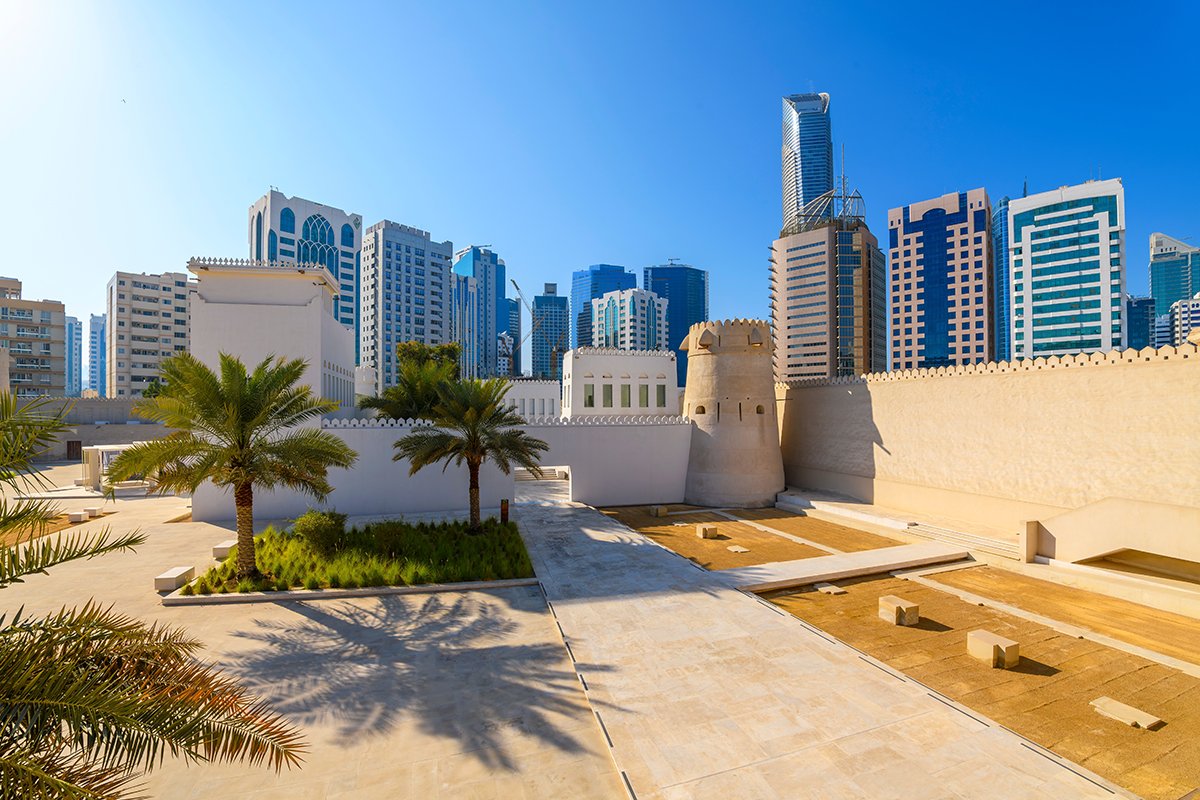
Very little exists today that is untouched by AI. It impacts countless aspects of our daily lives and brings rapid urbanisation, with major cities conforming to modern standards. But often, it seems, these developments happen at the expense of preserving cultural heritage and nurturing the creative economy.
AI’s algorithms can sometimes favour mainstream content, potentially overshadowing more niche cultural expressions. Personalised recommendations, while enhancing user experience, could similarly create filtered perspectives. And the automation of certain creative tasks raises questions about how we support the ongoing cultivation of human artistic skills.
Tension between the new and the old is not only a matter of aesthetics, but also about ensuring that people can connect with the stories, values, and heritage that have shaped their communities while having the opportunities and standard of living offered by a contemporary society.
What if the same technology driving change could be leveraged to protect and preserve cultural heritage? It’s a question that placemakers should be asking themselves, starting with the basics: using AI to protect built heritage. This means generating models or “digital twins” that are able to identify changes and proactively propose recommendations for conservation of historic sites. For example, AI algorithms can analyse high-resolution images of historical buildings, detecting cracks or weathering patterns that might be missed by the human eye.
But this is just one aspect of a bigger vision.
Preserving cultural heritage
By taking cultural heritage preservation a step further, it can become a living, breathing part of modern society, fostering a deeper understanding and appreciation of its culture. In Abu Dhabi, through collaboration with research institutions, we are exploring the potential of AI in archaeology. Instead of relying solely on traditional excavation methods, AI can scan geological data and historical records to predict the most promising locations for archaeological finds. We can then use these findings to cultivate an interactive, transformative experience for generations to come through advanced imaging, 3D scanning, and natural language processing.
While traditional methods are often insufficient to protect fragile artefacts, we have been able to unlock capabilities, using AI-powered scanning and analysis to meticulously digitise Emirati manuscripts, artefacts, and artworks, ensuring their longevity. In the same way, AI is being deployed to document, transcribe, and revitalise the unique Emirati Arabic dialect and oral storytelling traditions, which are at risk of being lost over time.
Also working to protect our language, the Abu Dhabi Arabic Language Centre is building an AI-powered platform to get more young people to read. Features such as speaking to your book, asking questions, creating content, and listening to the book will make literacy more engaging. With personalised content recommendations, gamification elements and social sharing, the platform aims to cultivate lifelong reading habits and foster a new generation of avid Emirati readers.
Sharing cultural heritage
Creating engaging and immersive experiences is crucial for sharing a destination’s cultural heritage with the world. This is why DCT Abu Dhabi is pioneering an AI-powered concierge to create memorable experiences. It is being used by 100 concierges across 80+ hotels and alternate accommodations. We are scaling it up and eventually this capability will evolve towards a visitor AI chatbot providing relevant information, such as attractions, cultural sites, events, hotels, beaches and restaurants, to improve our guests’ experience.
It is important to ensure that these experiences are representative and respectful of cultural traditions. This is where harnessing AI-driven insights like sentiment analysis and feedback comes into play, analysing visitor feedback to identify areas where museum exhibits can be improved or made more engaging.
As Abu Dhabi gears up for more large-scale events and festivals in the coming months and years, the use of AI for hotel performance optimisation, strategic decision-making, and event planning has become increasingly important, taking into account historical booking data, local events calendars, and even social media trends to predict occupancy rates with greater accuracy – all powered by our intelligence centre, a one-stop shop for dashboards and reports.
Shaping cultural placemaking
Ultimately, the true value of AI lies not in its novelty or efficiency, but in its capacity to deepen our connection to our heritage and to each other. We must harness these tools to enhance our understanding of how the past informs our contemporary culture, and to advance the ways in which culture is created, shared, and experienced. AI should empower artists and creators, enrich our lives, and ultimately enhance our shared human experience.
Abu Dhabi blends ancient traditions with state-of-the-art creative expression, which not only preserves but progresses our emirate’s culture. We are transforming heritage into global discourse, fostering creative sectors, and reshaping cultural hospitality.
By thoughtfully applying AI, placemakers can reimagine what it means to thrive in a world where tradition and innovation converge, creating a future where culture is not just conserved, but actively shapes a more meaningful existence for all.
