

Image: Getty Images/ For illustrative purposes
Nowadays, global cities are judged as much by quality of life as by economic output. Where people want to live, companies tend to build, and investors follow. That link between daily experience and long-term growth has become central to how urban centres compete.
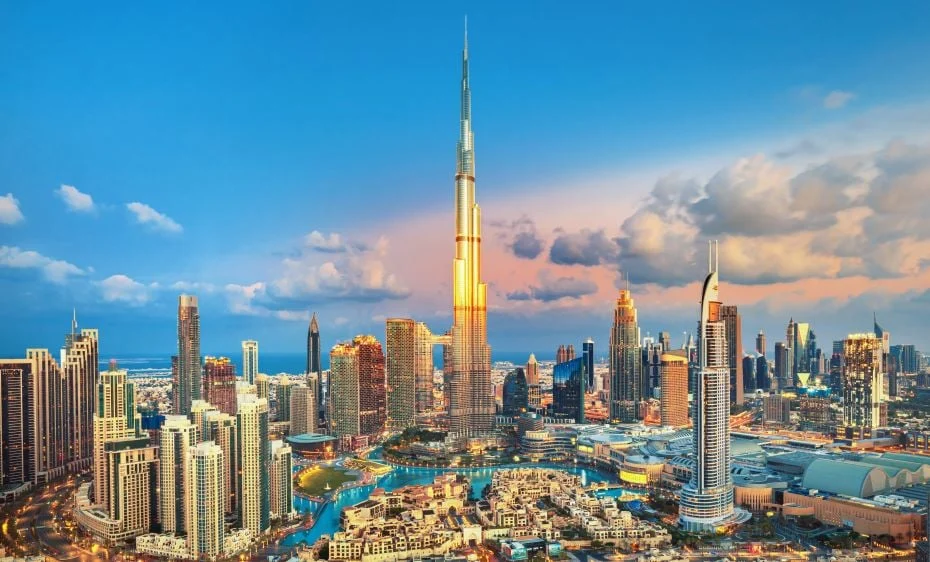
Recognising this, Dubai has set out a 10-year Quality of Life Strategy, approved in 2024, that places wellbeing at the centre of its growth model. The plan runs to 2033 and is designed to keep pace with a city that has more than tripled in size since 2000 and continues to expand. Its scope is broad, covering neighbourhood design, mobility, green space, and services, and it reflects Dubai’s aim to be seen not only as a hub for business but also as a global benchmark for urban living.
Why wellbeing is on the agenda
Cities compete on more than growth figures. Talent, investment, and long-term settlement decisions often hinge on how liveable a place feels day to day. Governments have started to measure wellbeing as closely as they do GDP, and the concept has moved into economic planning. The OECD, for example, now publishes a global wellbeing index, and several European cities use quality-of-life benchmarks to shape urban budgets.
In this vein, Dubai has made quality of life a policy goal rather than a by-product of development. The new 2033 strategy pulls together work already under way in urban planning, mobility, and public health into one coordinated programme. It sets out more than 200 projects and creates a central office to ensure delivery across agencies and private partners.
Population growth and urban planning
Dubai’s population has passed 3.6 million and could approach six million by 2040. Growth on that scale makes liveability a planning challenge as much as a social goal. Housing, transport and public amenities all have to expand in line with demographics if the city is to remain practical and attractive.
A core idea in the new strategy is the “20-minute city”. It means shaping districts so that most daily needs such as schools, clinics, shops, parks and public transport are no more than a short walk or cycle away. The thinking is that if residents can cover 80 per cent of routine trips within that distance, pressure on roads eases, neighbourhoods feel more connected, and wellbeing improves. For a fast-growing city, it is a way of weaving quality of life directly into the growth model instead of adding it later as an afterthought.
Flagship initiatives
The strategy is being rolled out in three phases through to 2033, with the early work concentrated on visible improvements in neighbourhoods and public space. The first phase includes a redesign of three model districts, Al Mizhar 1, Al Khawaneej 2, and Al Barsha 2, where shaded paths, safer crossings, and stronger links between community hubs such as shops, mosques, and parks will be introduced. These pilots are intended to set the standard for upgrades across the city.
Alongside these upgrades, work on transport links is moving ahead with new walking and cycling routes, shaded paths, and expanded metro and bus lines. The aim is to create neighbourhoods where residents can reach daily services quickly, while also encouraging active mobility and easing congestion.
Expanding parks and green areas
Another priority is adding more green space to the city. More than 30 new parks are planned within the first three years, alongside the redevelopment of existing public squares and neighbourhood gardens. The aim is to make parks part of everyday life rather than occasional destinations, with small but accessible spaces distributed across residential districts.
Larger projects include the redesign of coastal parks such as Al Mamzar and Jumeirah, and the introduction of shaded family areas, sports facilities, and cycling tracks.
By 2033, the total public park area is expected to grow from 23 to 64 square kilometres, almost tripling the space available. Expanding greenery also carries practical benefits, helping to cut urban heat, improve air quality, and lower energy demand from cooling.
Culture, leisure, and community life
The strategy isn’t only about roads and parks though, it’s also about how people spend their free time. More than 1,000 events are planned each year, from sport to music and performance, and new venues will be added so more residents can take part. Squares and community spaces are being designed into neighbourhoods, giving people places to gather close to home rather than relying on malls or long drives.
Cultural diversity is treated as an asset. Dubai already brings together more than 200 nationalities, and the plan reflects that mix while still protecting heritage and Emirati traditions. It also makes room for growth in the creative economy: cultural, tourism and hotel space is expected to increase by more than 130% by 2040, and new hubs for arts and design are part of the build-out. Each district is meant to have its own character and social life, avoiding a one-size-fits-all approach.
Wellbeing as a measure of progress
What stands out about this strategy is how many parts of city life it touches. Cultural and tourism space is set to expand by more than 130 percent, green cover will almost triple, and transport systems will be retooled so that public and shared travel account for nearly half of all trips. The private sector is also expected to play a large role, with more than 100 projects open to outside investment and delivery.
By putting wellbeing on the same level as infrastructure or economic growth, Dubai is building a framework that changes how a global city is judged. The next decade will show how far these commitments shape daily life, but the scale of the plan means it will be a defining part of how Dubai positions itself by 2033.
The writer is a partner at The Knightsbridge Group.
