

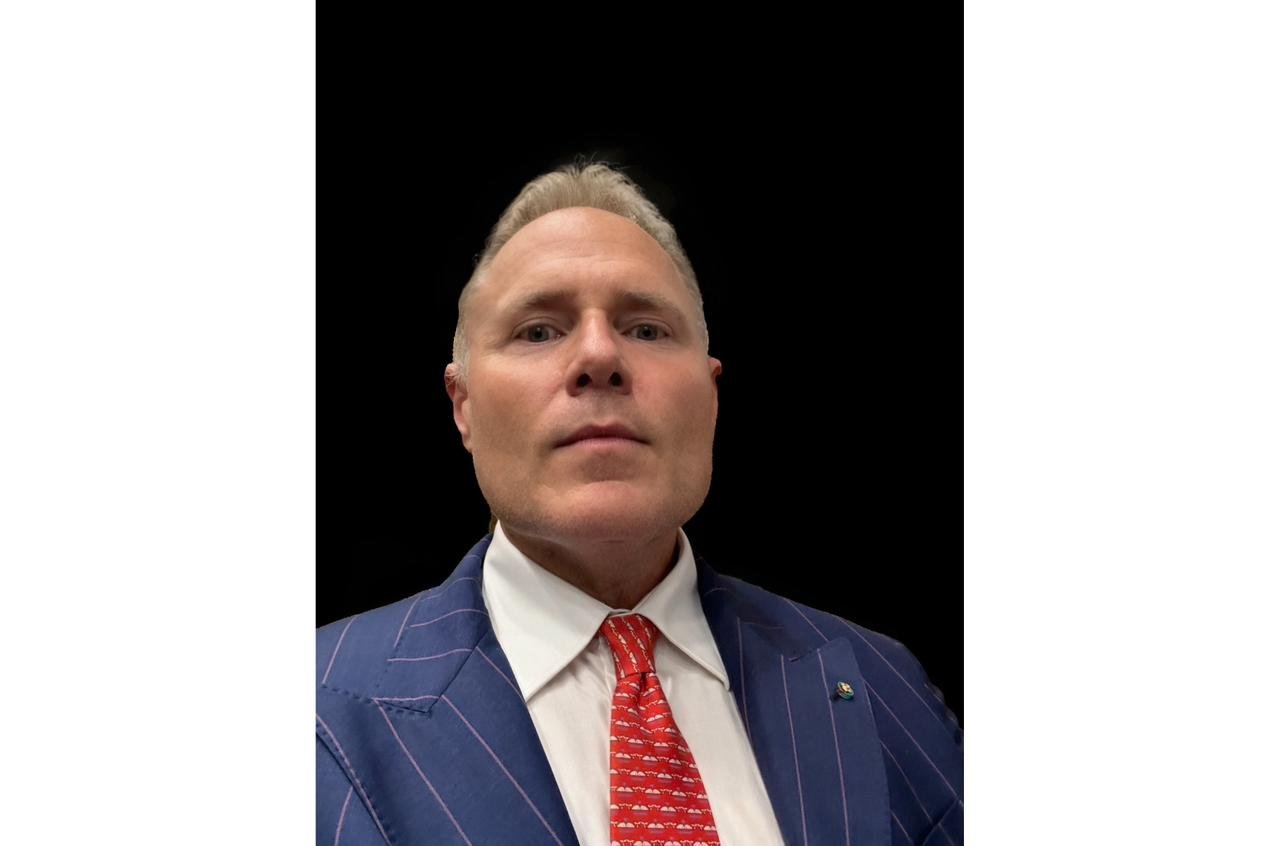
Interview with Rodolfo Belcastro: AI, geopolitics and strategic communication across Europe, the Middle East and EMEA
Editor: Artificial intelligence is often described as a technological frontier. You define it as a “geopolitical frontier.” Why?
Rodolfo Belcastro: Because AI today is both technology and geopolitics. We are not only talking about algorithms or digital innovation, but about a field where security, competitiveness, and legitimacy are at stake. In the Middle East, especially in the GCC countries, AI is already a pillar of national strategies: Saudi Arabia with Vision 2030, the UAE with Smart Dubai, Qatar with its digital transformation programs. These are examples of how AI becomes both a tool of modernization and an instrument of international projection.
Editor: Where do you see the most significant impacts?
Rodolfo Belcastro: In defence and security, AI is already embedded in national policies: predictive analytics for counterterrorism, autonomous defence systems, and cybersecurity frameworks to safeguard sovereignty. On the civilian side, the impact is equally transformative: in energy, AI optimizes exploration and distribution while accelerating the shift to renewables; in healthcare, AI-driven diagnostics extend access to remote areas; in mobility, cities like Dubai and Riyadh are redesigning transport with intelligent systems; and in manufacturing, Industry 4.0 strengthens productivity and resilience. In Europe, the focus is more on manufacturing and ethical regulation, with the AI Act as a global benchmark.
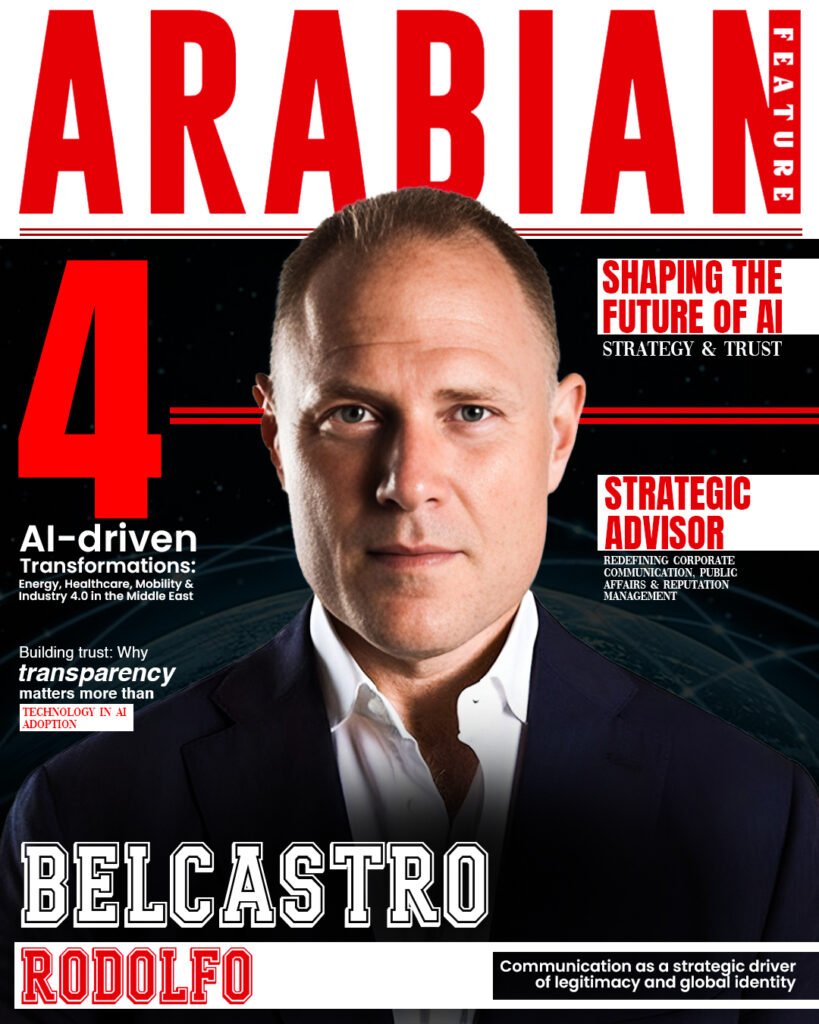
Editor: You often say that technology alone is not enough. What do you mean?
Rodolfo Belcastro: Technology creates capacity, but it does not automatically generate trust. Security is built through transparency and by communicating the meaning and safeguards behind decisions. The GCC countries have framed AI as a symbol of modernization, but without strong governance frameworks they risk facing external skepticism. Europe, on the other hand, emphasizes rules and rights but risks lagging in industrial deployment. The true strategic asset is legitimacy, and this comes from how governments and institutions explain benefits and protections.
Editor: What is the most important regulatory challenge right now?
Rodolfo Belcastro: Europe, with the AI Act, has taken a decisive step forward by setting standards for transparency and accountability. In MENA countries, regulatory debates are opening to balance innovation and control. I believe the Euro-Mediterranean relationship is crucial: aligning frameworks could enhance competitiveness while reducing risks of conflict. Export controls and international competition make this even more urgent. The U.S. and Asia are moving fast, and EMEA must define its trajectory by combining regulation, application, and narrative.

Editor: In this context, what role does strategic communication play?
Rodolfo Belcastro: A central one. Communication is not an accessory; it is the driver that transforms technology into consensus and legitimacy. Connecting entrepreneurship, research, and investment also means explaining benefits, addressing concerns over exclusion, job displacement, or misuse. That is why I believe that in defence, energy, healthcare, mobility, and manufacturing, narratives are as decisive as innovation itself in building trust nationally and internationally.
Editor: Is this also the core of your professional work?
Rodolfo Belcastro: Yes. Today I advise companies, funds, and institutions on integrating technology, sustainability, and governance into coherent narratives. The goal is not only performance but legitimacy. AI is a global test case: if we manage to communicate and regulate it effectively, Europe and the Middle East will not only compete with the U.S. and Asia but also build stability and cooperation together.
About Rodolfo Belcastro
Rodolfo Belcastro is an Italian executive manager and strategic advisor in corporate communication, public affairs, and reputation management. With two decades of executive-level expertise spanning journalism, corporate advisory, and institutional leadership, he guides organizations and funds navigating the complex intersection of sustainability, innovation, and geopolitics. His focus is on promoting trust and long-term legitimacy by positioning communication as a strategic driver of competitiveness and global identity, supporting the emergence of a Europe and Mediterranean space able to compete internationally while fostering cooperation and stability.
How can our readers further follow your work online?
LinkedIn: @rodolfobelcastro
Instagram: @rodolfobelcastro
Thank you for the interview. We wish you continued success!
