

In the modern sports economy, elite athletes are no longer defined solely by performance statistics or championship records. The most influential figures transcend competition to become global brands—commercial entities with cultural reach, economic power, and long-term relevance beyond their playing careers. This transformation reflects the convergence of sport, media, fashion, technology, and personal storytelling in an era driven by global connectivity.
One of the earliest and most definitive examples is Michael Jordan. Jordan redefined what it meant to be a commercially powerful athlete through his partnership with Nike and the creation of the Air Jordan brand. Crucially, his brand was not limited to basketball fans. It became embedded in street culture, music, and fashion worldwide. Even decades after his retirement, Jordan remains a dominant commercial force, demonstrating that brand equity can outlast athletic relevance when properly constructed.
Football has produced several athletes who followed a similar trajectory, most notably Cristiano Ronaldo. Ronaldo’s brand, often encapsulated under the “CR7” identity, extends across apparel, fragrances, hospitality, and digital platforms. His disciplined image, global fanbase, and mastery of social media have allowed him to operate as a multinational business. Importantly, Ronaldo maintains direct control over his personal brand narrative, reducing reliance on traditional media and sponsors to define his public image.
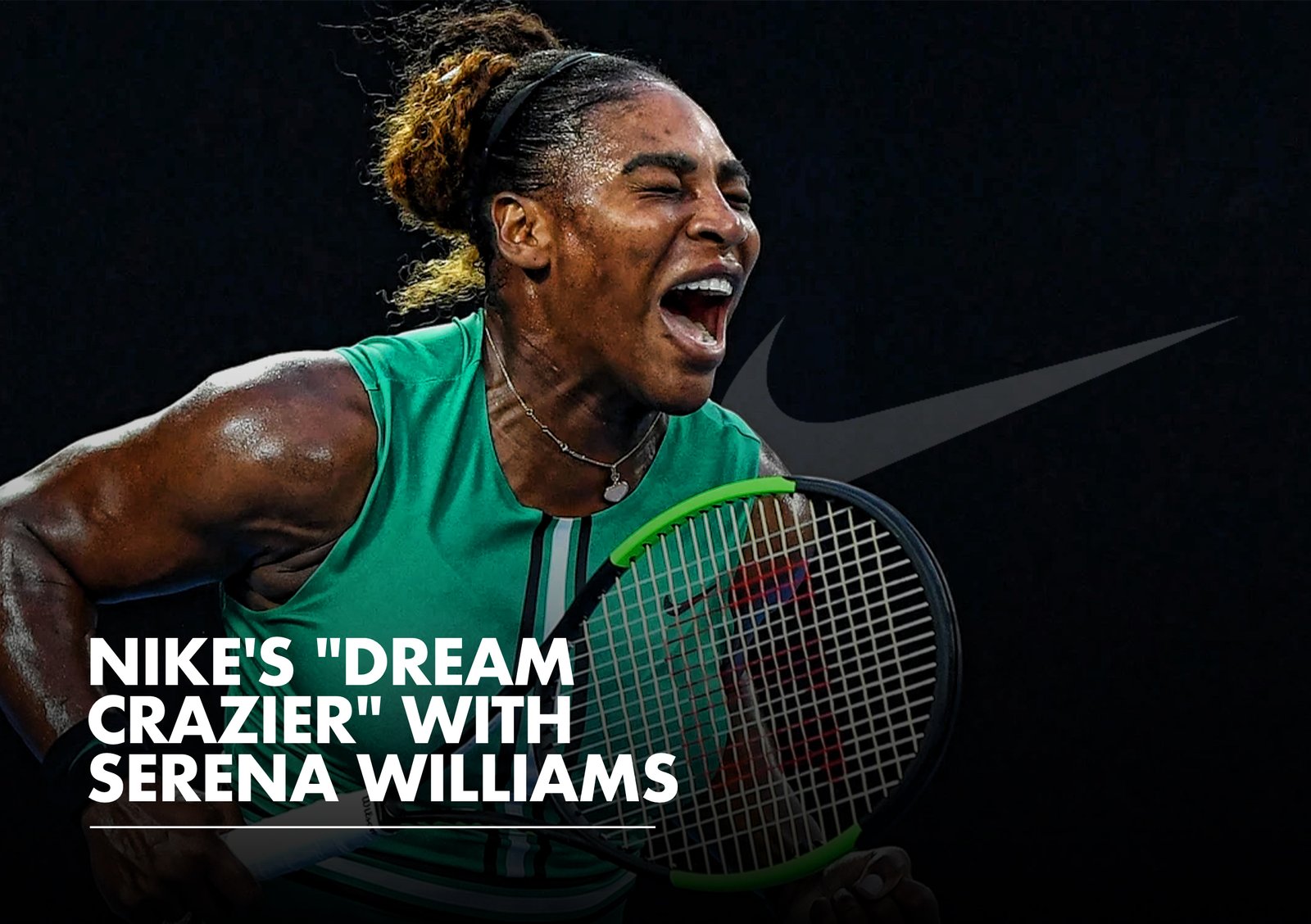
Another case study in brand evolution is Serena Williams. Williams built a brand that integrates athletic excellence with advocacy, entrepreneurship, and cultural influence. Beyond endorsements, she has launched her own fashion lines and venture capital initiatives, positioning herself as a business leader. Her brand resonates not only because of success on the court, but because it aligns with broader conversations around gender equity, diversity, and empowerment.
In basketball’s current generation, LeBron James represents a vertically integrated brand model. James combines athletic achievement with media production, philanthropy, and strategic investment. By co-founding media companies and taking ownership stakes in sports franchises, he has shifted from endorsement-driven income to ownership-driven wealth. This transition reflects a broader trend among elite athletes seeking long-term control over intellectual property and capital.
Football icon Lionel Messi offers a contrasting but equally powerful brand model. Messi’s image is built on authenticity, humility, and consistency rather than overt self-promotion. His global appeal demonstrates that brand power does not require a singular personality archetype; it requires credibility, emotional connection, and sustained excellence.
Ultimately, athletes become global brands when performance excellence intersects with strategic positioning, cultural relevance, and business intelligence. In an age where attention is currency, the most successful athletes are those who understand that their careers are platforms—and that legacy is built not only on what happens during competition, but on how influence is structured, owned, and sustained long after the final whistle.
