

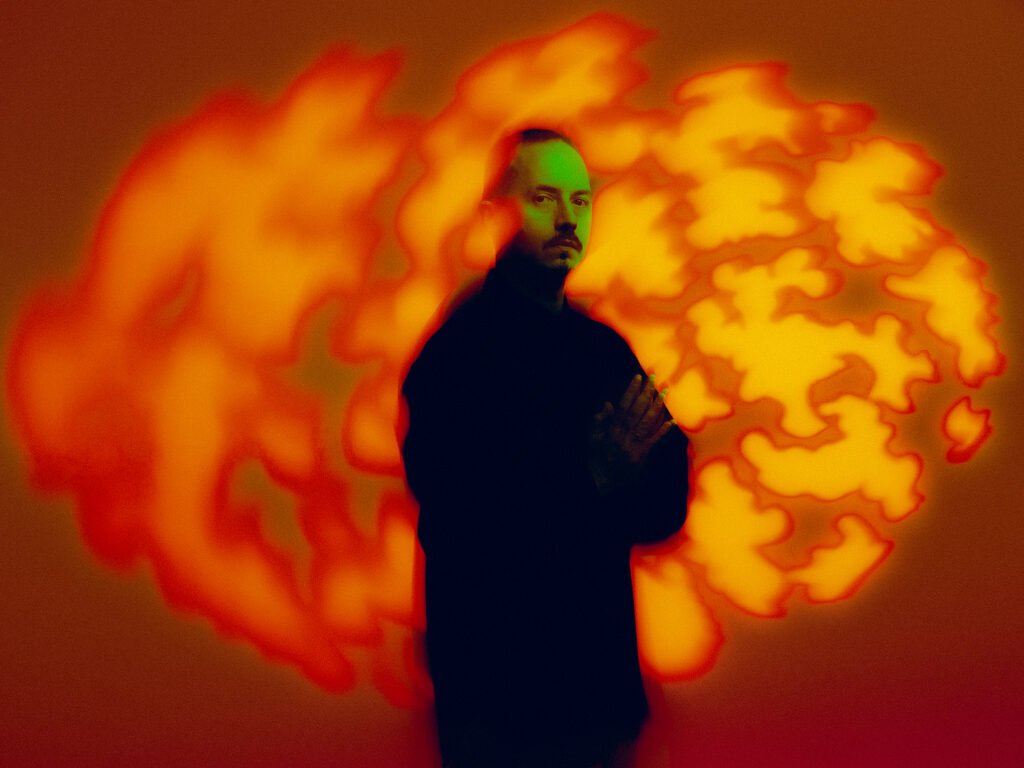
When DJ PHO talks about sound, he doesn’t leave it at basslines and BPMs. He’s talking about memory, movement, machines. About rhythm as architecture. About heritage as hardware. And increasingly, about what comes after DJing.
“I’d say I’m an eclectic, multidimensional artist,” PHO says. “DJing is a big part of what I do, but it’s only one layer.” Those other layers, sound design, education, technology, cross-disciplinary art, have coalesced into a practice that feels less like performance and more like research. Or maybe ritual.
That shift is on full display in his latest experimental project exploring the sonic properties of metal: copper, steel, brass, objects more often found in a factory than a festival. But in PHO’s world, these materials don’t just conduct electricity; they conduct emotion. “Those sounds shaped communities,” he says, referring to classic gear like the 808 and 303. “It makes me wonder what the next defining sound will be. That mystery is what keeps me curious.”
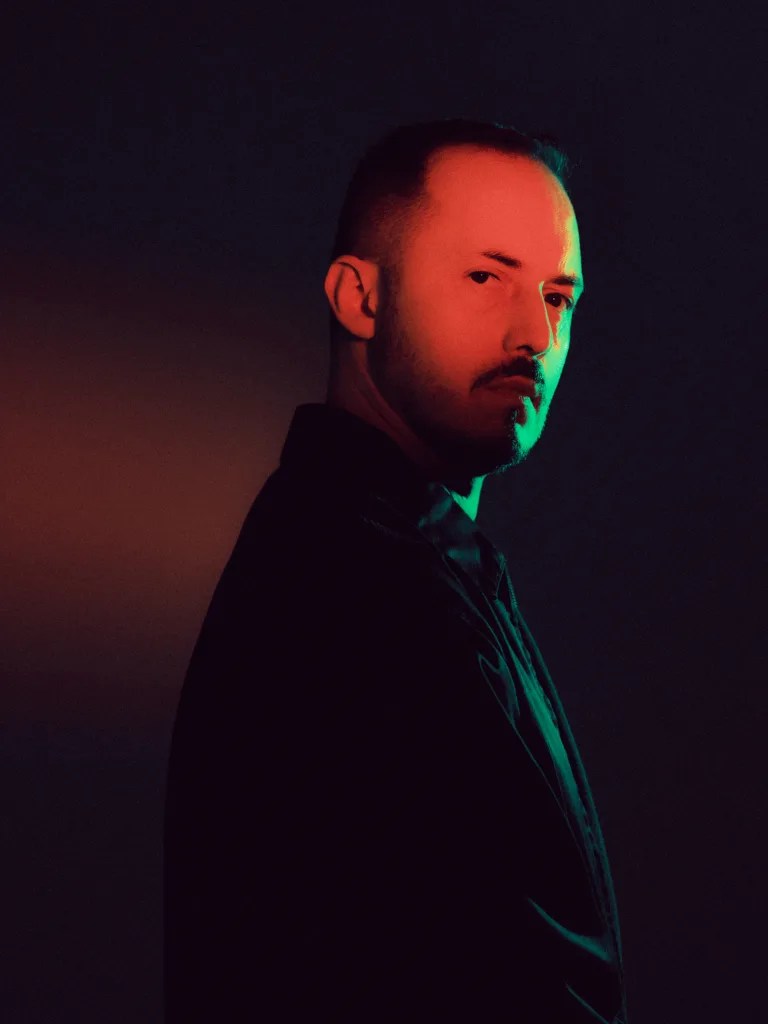
Curiosity is a recurring motif in PHO’s creative ecosystem. As an A&R with AlphaTheta and a collaborator with institutions like EXPO2020, ITHRA, and Art Jameel, he’s been as focused on developing emerging talent as he is on crafting immersive sonic experiences. “A collaboration is meaningful when it creates space for people to grow,” he says. “The best partnerships empower communities and spark conversations that keep evolving long after the event is over.”
That philosophy places PHO squarely within a new wave of artists reshaping the role of music in the region. It’s no longer solely about clubs and concerts, it’s about galleries, cultural residencies, immersive installations. And increasingly, it’s about how technology can be a creative partner, not just a tool.
Tech giants like Apple are paying attention. “We’re seeing DJs use DJ with Apple Music almost like a research lab,” says Stephen Campbell, Director of Music at Apple. “They’re testing transitions, auditioning genres, and building genre-bending sets with a level of spontaneity we didn’t anticipate.”
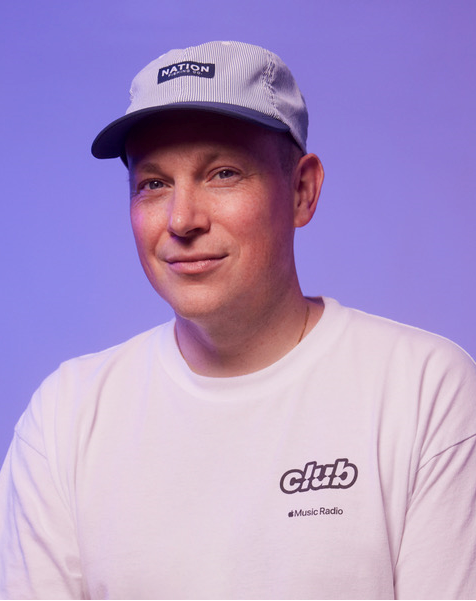
For Prophet Guillory, Apple’s Head of Global Music Partnerships, the introduction of Spatial Audio is a game-changer. “It opens the door for artists to think in whole new dimensions, not just left and right, but emotion, space, story. It’s the freedom to build entire worlds.”
PHO agrees. “We’re seeing DJs think differently, moving from a flat stereo mindset to a more immersive approach,” he says. “It’s making people more intentional with sound design, transitions, and the emotional arc of a performance.”
In the MENA region, this future-facing energy is colliding with a cultural renaissance. Artists are moving fast. Institutions are trying to keep up. “There’s progress,” PHO says, “but there’s still a gap between the pace of the artists and the systems around them.”
Still, he sees signs of change. “More institutions are shifting from simply showcasing culture to actively supporting it, through residencies, grants, education. That kind of investment is what the region needs.”
And as artists like PHO continue to blur the line between DJ and sound artist, local and global, performance and experimentation—the next defining sound may not be found in a studio at all, but somewhere in the frequencies between disciplines.
