


Image: Supplied
The FIA Formula One World Championship is preparing for the most sweeping regulatory overhaul in decades, as the Fédération Internationale de l’Automobile (FIA), under the leadership of President Mohammed Ben Sulayem in his second term, drives a fundamental reset of the sport ahead of the 2026 season.
Following one of the most competitive seasons in recent memory, attention has already shifted to 2026, when a comprehensive new regulatory framework will reshape Formula 1 across car design, power units, sustainability and safety.
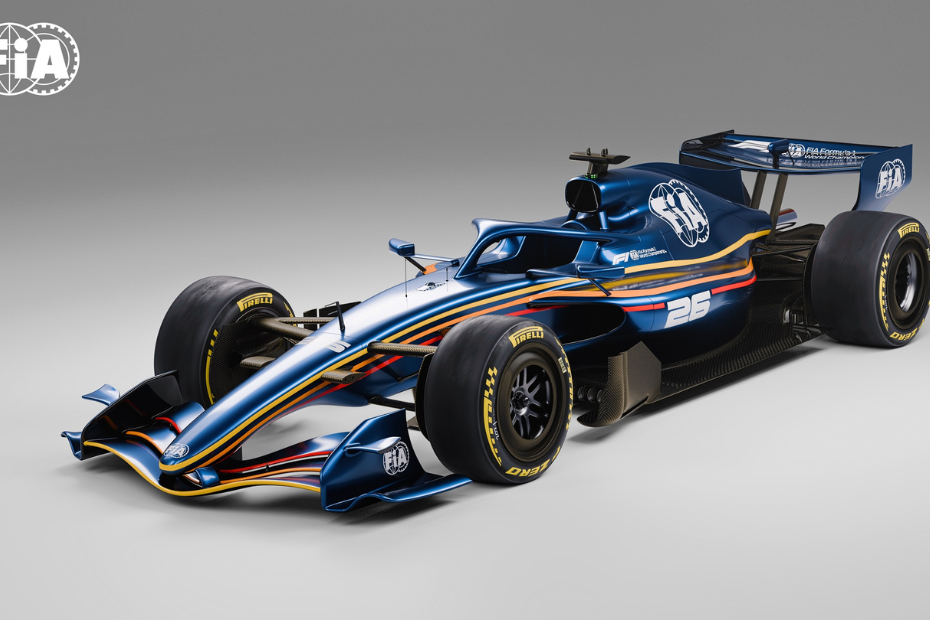
The FIA’s 2026 regulations represent a ground-up rethink of Formula 1 machinery, aimed at delivering closer racing, improved safety and a significantly more sustainable future for the championship.
“This marks a defining moment for the Formula One World Championship,” said FIA President Ben Sulayem. “The new regulations are the result of a huge amount of effort and dedication towards strengthening the Championship for the next decade and beyond.”
Central to the changes is the introduction of the “Nimble Car Concept”, a new design philosophy intended to reverse the trend towards larger and heavier cars. Under the new rules, F1 cars will be smaller, lighter and more agile. Minimum weight will be reduced by 30kg to a target of 724kg, including tyres, while wheelbase will shrink by 200mm to 3,400mm. Overall car width will be reduced by 100mm, with floor width cut by 150mm.
Aerodynamics will also undergo a major transformation. From 2026, the Drag Reduction System (DRS) will be removed after more than a decade of use and replaced by fully active front and rear wings. These moveable aero surfaces will allow drivers to switch between two distinct modes, with the system primarily designed to improve energy efficiency rather than serve purely as an overtaking aid.
Overtaking itself will be redefined through a new “Overtake Mode”. When a driver is within one second of a car ahead at designated activation points, they will be able to deploy an additional 0.5MJ of electrical energy to assist passing manoeuvres, shifting the focus from drag reduction to controlled energy deployment.
The power units will also be fundamentally re-engineered. While retaining the 1.6-litre hybrid architecture, the 2026 engines will feature a 300 per cent increase in battery power, with an even split between internal combustion and electric output, reinforcing Formula 1’s status as the world’s most efficient racing platform.
The new regulations have also attracted significant manufacturer interest. Alongside Mercedes and Ferrari, Audi will join Formula 1 for the first time. Honda will return as a full works partner with Aston Martin, while Ford will support Red Bull Powertrains, supplying engines for Red Bull Racing and Racing Bulls.
The grid will also expand with the arrival of Cadillac as a new constructor. General Motors’ premium brand will make its debut at the season-opening Australian Grand Prix, becoming Formula 1’s first wholly new entrant since Haas in 2016.
Sustainability is a core pillar of the 2026 reset. All Formula 1 cars will run on advanced sustainable fuels, aligning the championship with broader global decarbonisation goals and reinforcing the FIA’s long-term environmental strategy.
Safety remains a key focus. The 2026 cars will feature revised front impact structures, enhanced side intrusion protection and increased roll hoop strength, with load requirements rising from 16G to 20G, delivering the highest safety standards in the sport’s history.
Together, the 2026 regulations mark a decisive shift for Formula 1—combining technological innovation, sustainability leadership and enhanced competition as the sport enters a new era.
