

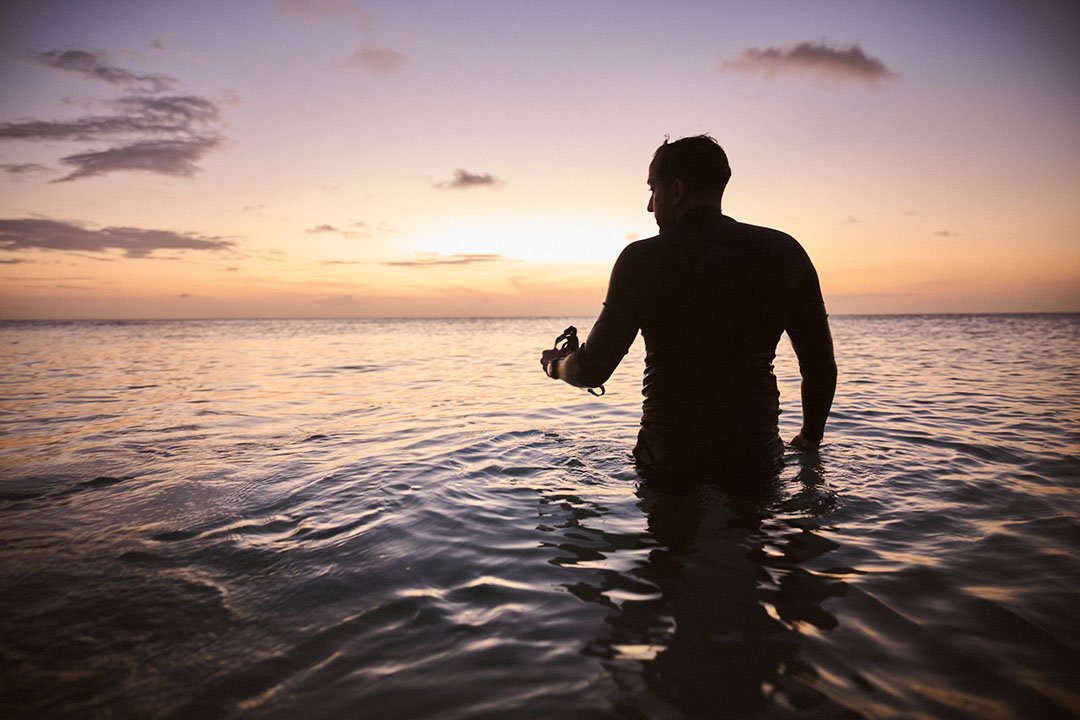
“I must have spent around five hours in the water today. You can probably see that from the sunburn on my face,” laughs His Highness Sheikh Fahim Bin Sultan Khalid Al Qasimi from somewhere he describes as “one of the most magical places on earth.”
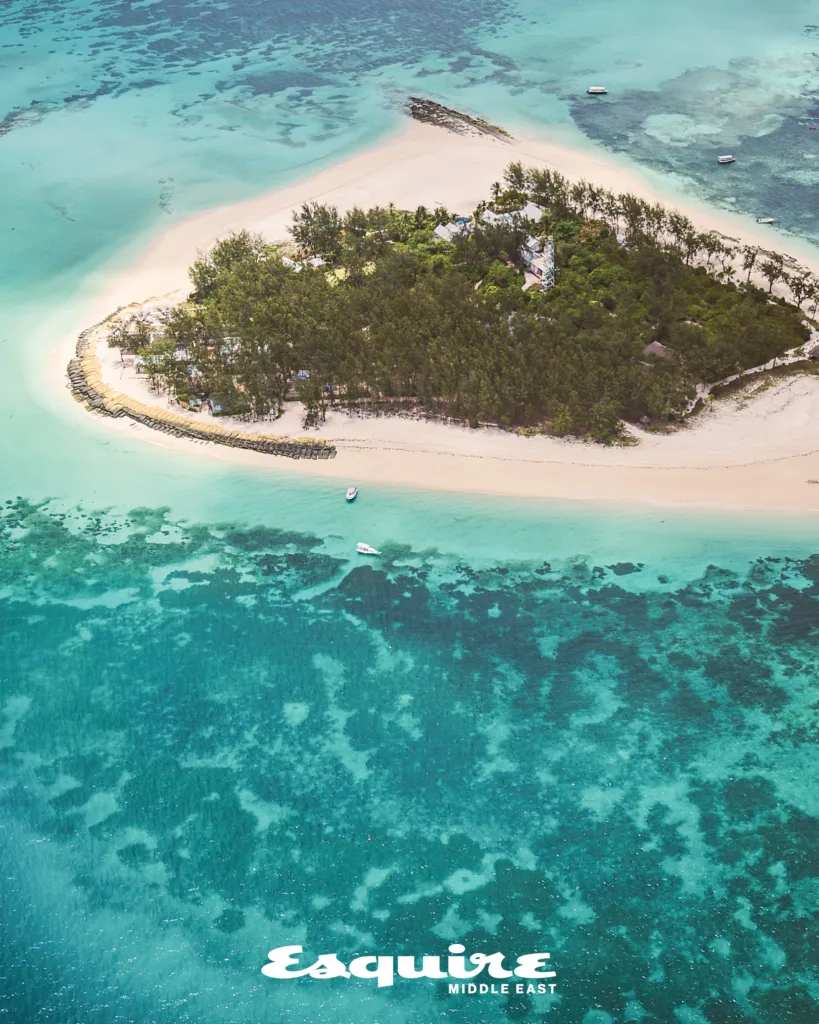
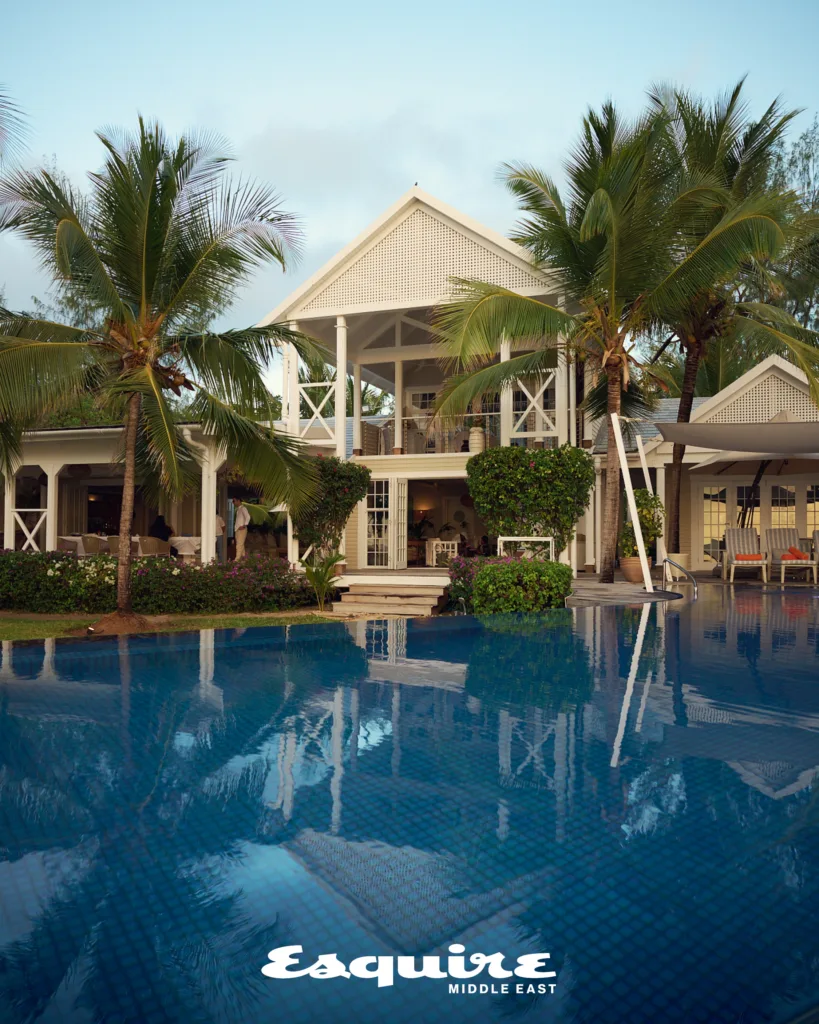
That place is Jumeirah Thanda Island, a remote private sanctuary off the East Coast of Tanzania with the surrounding seas teeming with turtles, whale sharks and (at least) 338 types of fish. “The first thing I did when I landed was put on my board shorts and jump in the water. I love swimming, I love free diving…I’m more myself in this environment than any other—I’m at peace in these places.”
At face value this is an unexpected comment from a man who holds the title of Executive Chairman of Sharjah’s Department of Government Relations—but when you factor in that the he grew up on the UAE’s shores surfing, sailing, and now spends his time under its water freediving, it makes a lot more sense. It was, after all, a chance encounter with a turtle that was the catalyst to where we are today.
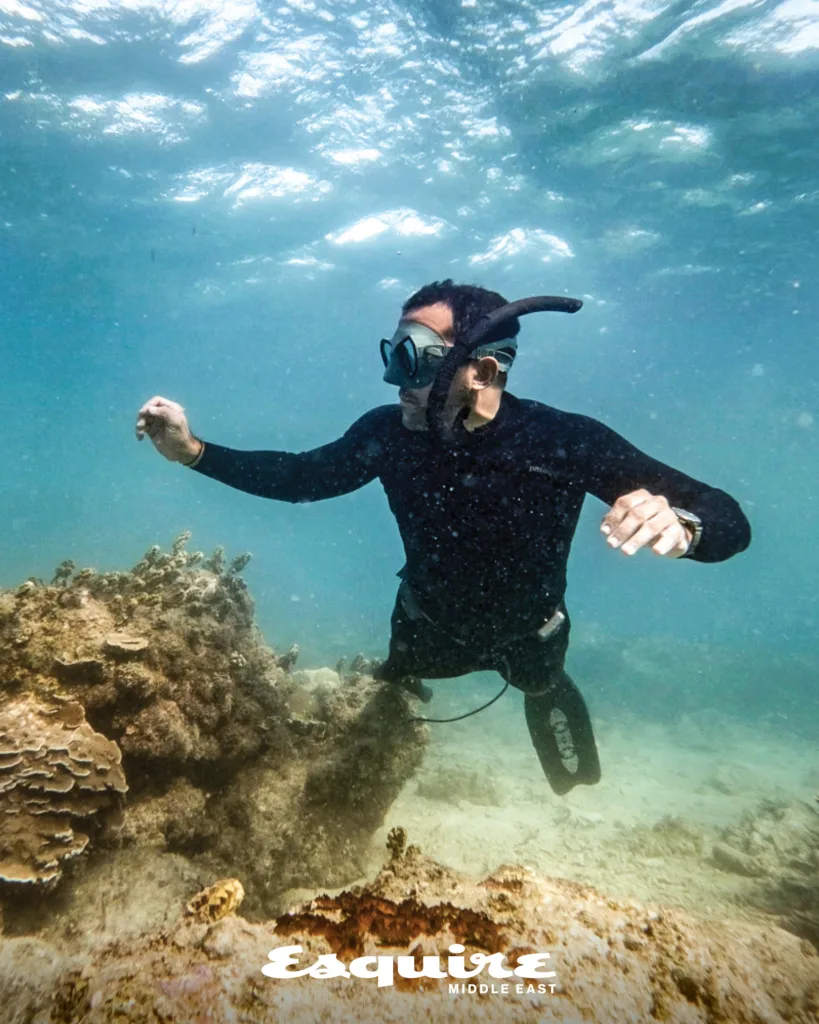
“Four years ago, I was on a remote island in the Gulf, freediving with some friends and we saved a turtle,” he recalls. “I had no idea what to do with it, so I called the authorities who told me to take it to Jumeirah. I can’t think of anywhere else in the world would you get told that the best people to help save a turtle is a hotel group!?”
That moment set a chain of events in motion: an affectionate moniker of the ‘Turtle Sheikh’, a role of ambassador to Dubai’s Turtle Rehabilitation Project at Jumeirah Al Naseem, and, most recently, a journey 4,000 miles from Dubai to Tanzania to collaborate with Jumeirah Thanda Island. It’s as natural a collaboration as one could hope for— a dedicated marine conservationist who feels like he “belongs” in the ocean, a hotel brand with a deep commitment to protecting the world beneath the waves, and a unified mission to act as guardians of the sea.
“I only accepted the title [of ‘Turtle Sheikh’] because I hoped that it would help tell a story,” Sheikh Fahim explains. “The underwater world is quite silent; turtles don’t make any noise, neither do whale sharks … And by nature of me being in the water so much, and wanting to help people connect with it, I feel like I need to help give it a bit of a voice. It’s a sense of privilege being able to tell the stories.”
Jumeirah Thanda Island, and the protected waters of the Shungimbili Island Marine Reserve it sits in, have stories in abundance, brought back from days swimming with turtles and whale sharks and diving around coral reefs to be shared over the dinner table. For Sheikh Fahim, it is inspiring conversations with the resort’s resident marine biologist, Rianne Laan, that connects the dots between Thanda Island and Dubai. “We talk about how I can be helpful, whether they’ve done turtle tracking yet, what are they doing with whale sharks, what we can learn from their work in Tanzania and bring home [to Dubai]. Because, to translate this story across these destinations, to travel the world and make a change,
to come back and feel inspired…It’s a dream opportunity.”

As something of a conservation conduit, Sheikh Fahim will take these learnings and implement them back home. “So many people in the Middle East don’t know about the ocean environment around us, but the Arabian Gulf is so diverse,” he explains. “We live a life of privilege where we have the best restaurants and the sort of lifestyle that people have in the UAE, and I just want to drag them into the ocean and say, ‘come snorkelling with me. I want you to see what’s on our doorstep’. If I can help people learn about the ocean and make them care about it, hopefully they’ll make some changes in their life.”
It’s hard to imagine anyone not wanting to enact change for good after the kind of encounters Sheikh Fahim has had. While he’s long raised awareness for turtles, and been directly involved in several rescues, this trip to Jumeirah Thanda Island allowed for his first encounter with a whale shark.
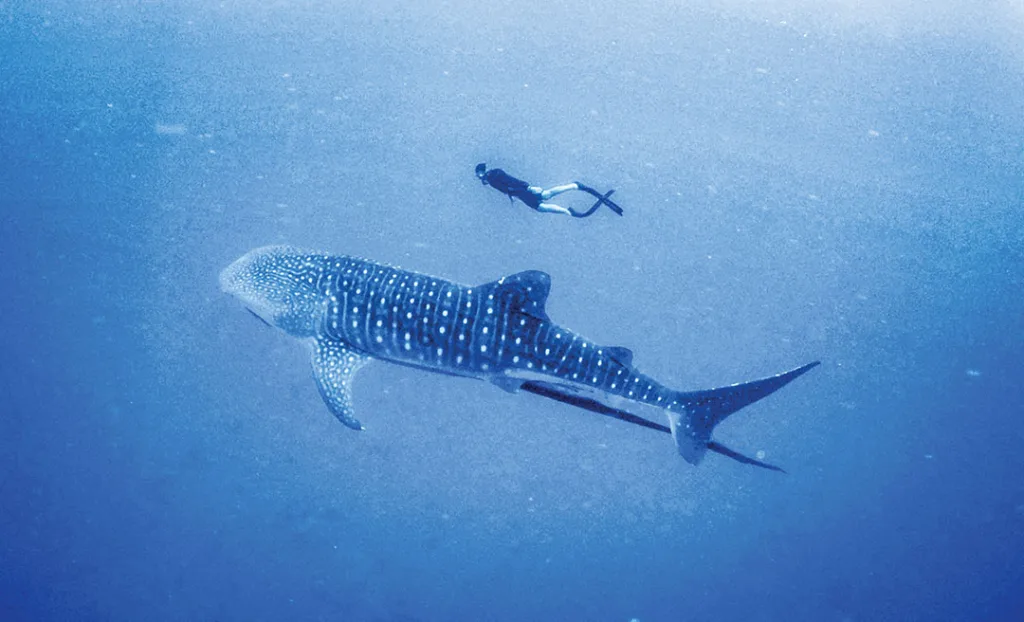
“There are so many unknowns about whale sharks in general. The underwater world is still so under discovered and to see the research work of people like Rianne and the wider community here in Tanzania gives us this unique opportunity to learn more about where they’re going, how they mate, what they’re doing,” he explains. “They’re very solitary creatures; they constantly move and swim very fast yet look like they’re going in slow motion. I swam with one for 20 minutes. It came up for air and then I dove down holding my breath, hovering over it, counting the fish beneath. Swimming with these gentle giants under the ocean…I cannot put it into words. It was a bucket-list moment and I’m getting goosebumps talking about it now.”
This trip with Jumeirah has also reaffirmed the importance of travelling with purpose—to both do it, and advocate for it. “I think we can all appreciate that it’s a true luxury and privilege to see the world,” he says, “but I believe the biggest privilege in life is to travel with purpose. And if we can discover a new destination, meet the people and see the world through the eyes of the community that are trying to make a positive impact on this planet, even better.”
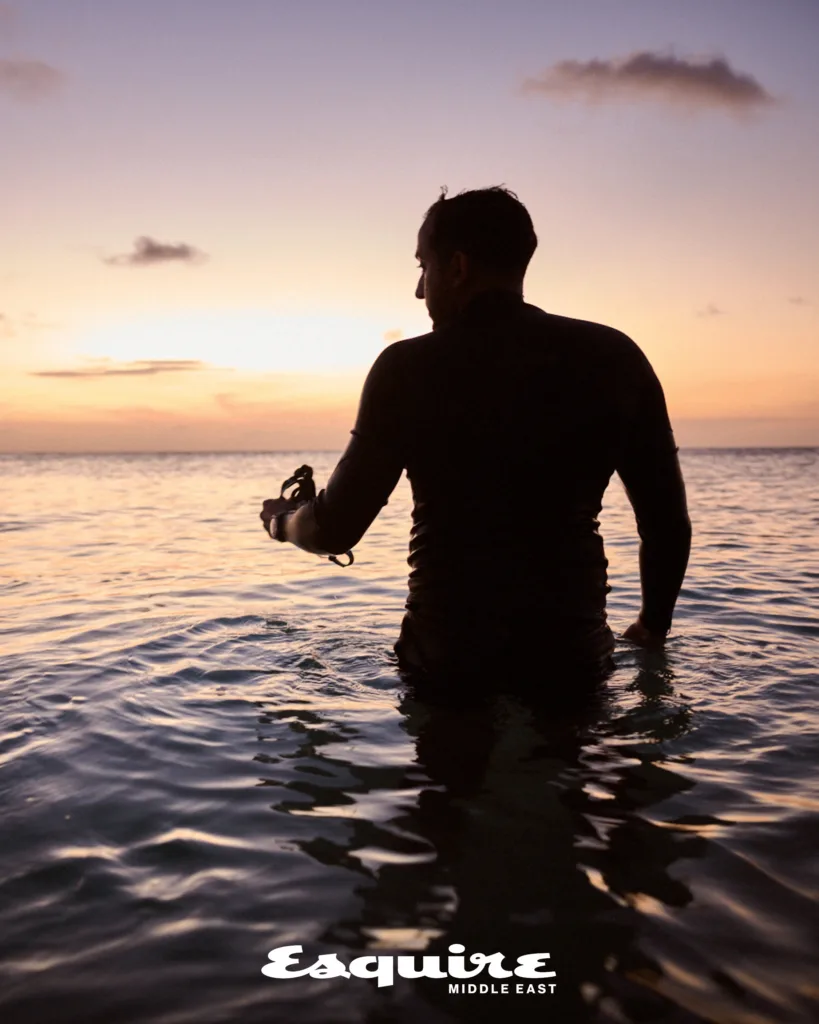
Sheikh Fahim is already planning on bringing his kids to the island—for the experience, the learnings and to help guide them on being better custodians of the planet. “I want people to realise that, when you come to places like Jumeirah Thanda Island, you can experience this Arabian hospitality and absolute luxury of this beautiful destination but also know it’s not costing the planet much.”
Not everyone is fortunate enough to find their passion in life, but to find it and lend a voice to it is for the lucky few. “I pinch myself that this is my life. I used to flick through magazines, see a picture of a diver, read stories about someone who swims with animals, and think ‘If only I could do that’,” Sheikh Fahim recalls. “Then fast-forward the next five years of my life and I’m that person who gets to experience it. I’ve found something I really care about, the ocean, and I have the privilege to actually make a change which is very rare. I think that is where I’ve becomes the luckiest human being on earth.”
