

Some sports moments transcend competition. They move beyond scores, medals, and trophies to become cultural reference points—symbols of identity, resistance, unity, or transformation. These moments resonate because they reflect the social, political, or emotional realities of their time. They are remembered not for technical brilliance alone, but for what they represented to the world watching.
One of the most iconic examples is Muhammad Ali standing over Sonny Liston in 1965. The image is not merely about a knockout; it encapsulates Ali’s defiance, confidence, and challenge to authority during a period of civil rights struggle and political unrest in the United States. Ali’s refusal to conform—both inside and outside the ring—made his victories cultural statements about autonomy, race, and conscience. Boxing was the stage, but identity was the subject.
In football, Diego Maradona’s “Hand of God” goal at the 1986 World Cup occupies a unique cultural space. The goal itself was controversial, but its context—scored against England just four years after the Falklands War—turned it into a moment of symbolic national catharsis for Argentina. It was interpreted less as cheating and more as rebellion, myth-making, and emotional rebalancing on a global stage.
Rugby union, often seen as an elite and insular sport, produced one of the most powerful cultural moments of the 20th century during the 1995 Rugby World Cup. When Nelson Mandela wore the Springbok jersey and presented the trophy to the national team, the act carried more weight than the match itself. Rugby became a vehicle for reconciliation in post-apartheid South Africa, transforming a divisive symbol into one of unity and shared national identity.
More recently, cultural resonance has emerged through protest rather than play. When Colin Kaepernick kneeled during the U.S. national anthem, the gesture sparked global debate on racial justice, free expression, and the role of athletes in political discourse. The action was simple, silent, and non-violent—yet its cultural impact extended far beyond American football, influencing protests across sports and continents.
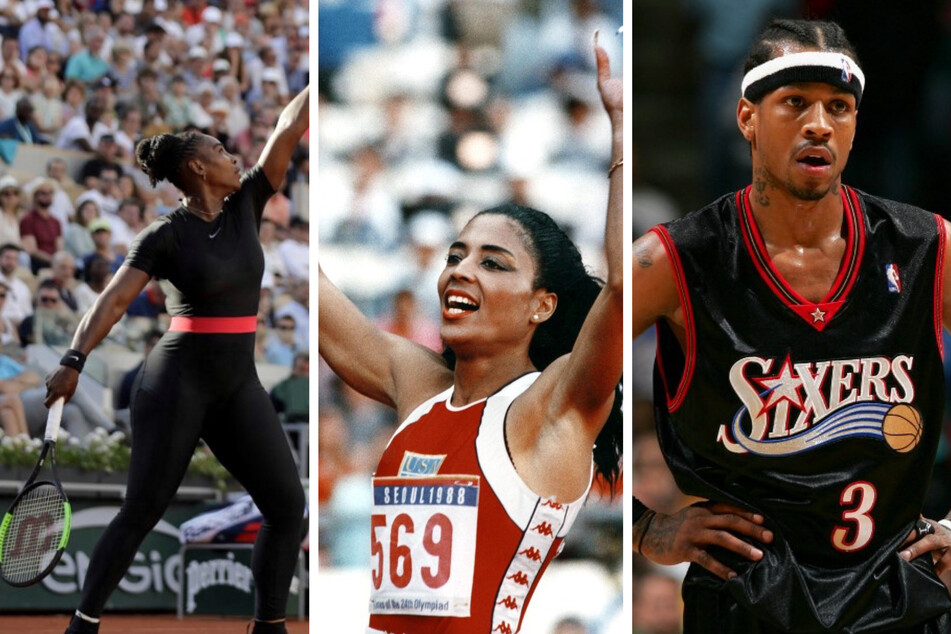
Tennis has also delivered moments that blurred the line between sport and society. Serena Williams’s appearances at Grand Slam tournaments often carried cultural meaning tied to gender, race, and representation. Her dominance in a traditionally exclusive sport challenged long-standing norms and expanded perceptions of who belongs at the highest levels of global competition.
What unites these moments is not victory or defeat, but meaning. They occurred when sport intersected with broader human narratives—identity, justice, pride, and change. In these instances, the athlete becomes a symbol, the arena becomes a platform, and the moment becomes cultural memory. Long after the final whistle, these events continue to shape conversations, proving that sport, at its most powerful, reflects society as much as it entertains it.
