

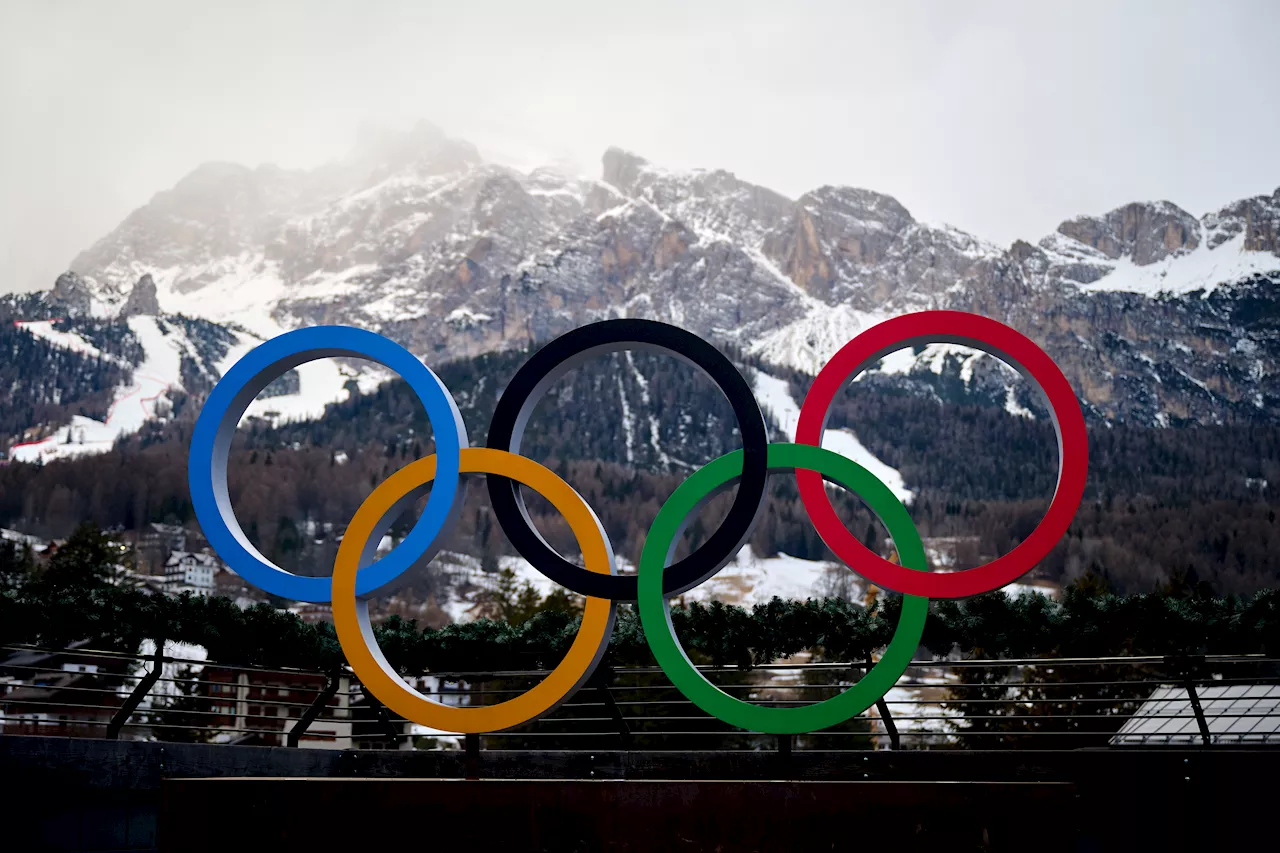
When the world’s winter sports community gathers for the 2026 Winter Olympics, it will be in Italy—spread across northern cities and mountain clusters that blend cultural heritage with modern athletic spectacle. Branded Milano Cortina 2026, this edition of the Games brings together elite athletes, historic venues and a distinctive Italian setting over roughly three weeks of competition and celebration.
A unique host setup
Unlike many previous Games centered on a single city, Milan and Cortina d’Ampezzo share hosting duties after winning the bid in 2019. The selection underscored Italy’s ambition to leverage existing infrastructure and regional identity rather than build entirely new facilities from scratch. The winning bid was chosen over a Swedish proposal, formalizing Milan and Cortina as co-hosts and signaling a broader shift toward more distributed, sustainability-minded Games.
This combination is purposeful: ice sports, like hockey and skating, are primarily housed within Milan’s metropolitan cluster, while snow and sliding events take place around Cortina and nearby mountain valleys such as Valtellina and Fiemme. The arrangement reduces the need for massive new construction and positions both urban and alpine landscapes at the heart of the global event.
Opening ceremony with historical touches
The opening ceremony set an early tone for the Games’ ambitions. Held on 6 February 2026 at Milan’s famed Stadio San Siro, the ceremony—titled Armonia, or Harmony—celebrated unity and cultural fusion. It included notable performances from international and Italian artists, and for the first time in Winter Olympic history, featured two Olympic cauldrons, lit in both Milan and Cortina d’Ampezzo.
By choosing harmony as a guiding theme, organizers highlighted the collaborative spirit behind the multi-city format: different regions, traditions and landscapes coming together around shared athletic excellence. This symbolic opening set the stage for not only competition, but also a showcase of Italy’s arts, music, and hospitality.
Venues that tell a story
The Games’ venues span existing arenas, newly upgraded facilities, and historic settings. In Milan, the multi-purpose San Siro stadium anchored the opening festivities, while ice sports found homes in both existing arenas and newly built or expanded venues. In Cortina and surrounding valleys, natural courses and mountain terrain offer world-class settings for alpine skiing, ski jumping, and other snow events.
This approach emphasizes heritage. Cortina previously hosted the Winter Olympics in 1956, and the region has a long tradition of mountain sports. Using familiar locales creates continuity between past and present Games, enabling spectators and athletes to connect with storied landscapes. Meanwhile, Milan’s role as a global fashion, design and business hub gives the event an urban edge—inviting visitors to experience Italy’s culture beyond the slopes and rinks.
Competition, culture, and climate
Inside competition arenas and on snowy peaks, athletes from around the world compete for medals and national pride. But the Games are also a platform for cultural diplomacy, tourism, and local economic impact. Italy plans to welcome spectators to both urban festivals and mountain villages, blending live sporting action with food, music, and regional traditions. The dual-host model encourages visitors to combine city and mountain experiences, potentially extending stays and deepening engagement across different Italian communities.
Like all Winter Games, Milano Cortina 2026 also faces the realities of climate and environmental concerns. Mountain venues depend on consistent winter weather, and organizers have worked to balance operational needs with sustainability goals. Italy’s Alps offer natural beauty and winter sports heritage, but there is a growing global conversation around how to host snow-dependent events responsibly. By leveraging a mix of existing infrastructure and careful planning, the Games aim to showcase winter sports while minimizing unnecessary ecological strain.
Athletes and stories to watch
Every Olympics has its breakout stars, surprise victors, and emotional moments. Milano Cortina 2026 is no different. News outlets and sports networks track medal contenders, record attempts, and the human stories behind each performance. Alongside established winter-sport powerhouses, smaller nations and individual athletes seek personal bests, national firsts, and historic podiums—stories that often resonate long after the closing ceremony.
Beyond medals, the Games spotlight advancements in sport technology, training, and broadcast storytelling. High-definition coverage, digital platforms, and social media engagement allow fans around the world to follow events in real time, whether from a stadium seat or a living room. Italy’s hosting brings a rich visual backdrop—historic architecture, dramatic mountains, festive streets—that broadcasters can use to enhance the narrative of competition and celebration.
What happens after the Games
When the final medals are awarded and the Olympic flame is extinguished, Milano Cortina 2026 will leave a legacy beyond hardware and highlight reels. Ideally, it will strengthen winter sports in Italy and across Europe, inspire youth participation, and demonstrate how multi-city events can succeed without excessive new construction. It also poses a test case for future Olympic hosts: how to deliver world-class spectacle while respecting community needs, cultural heritage, and environmental constraints.
The Games also reinforce Italy’s place on the international stage at a moment when global events are often intertwined with broader political, social, and economic conversations. Hosting the Olympics is not only about sport; it is about presenting a nation’s identity, values, and capabilities to a worldwide audience.
A moment to remember
From the glittering frost of alpine slopes to the vibrant streets of Milan, the 2026 Winter Olympics offer more than medal counts—they provide a story about unity, adaptation, and cultural celebration. Whether you are an avid winter-sports fan or a curious traveler, the Games present a rare chance to witness extraordinary athletic feats against an equally extraordinary setting. Italy has rolled out a warm, historic welcome for the world, inviting everyone to experience a Winter Olympics that honors the past, embraces the present, and looks boldly toward the future.
