


Brought to you by AeroGuard Flight Training Center:
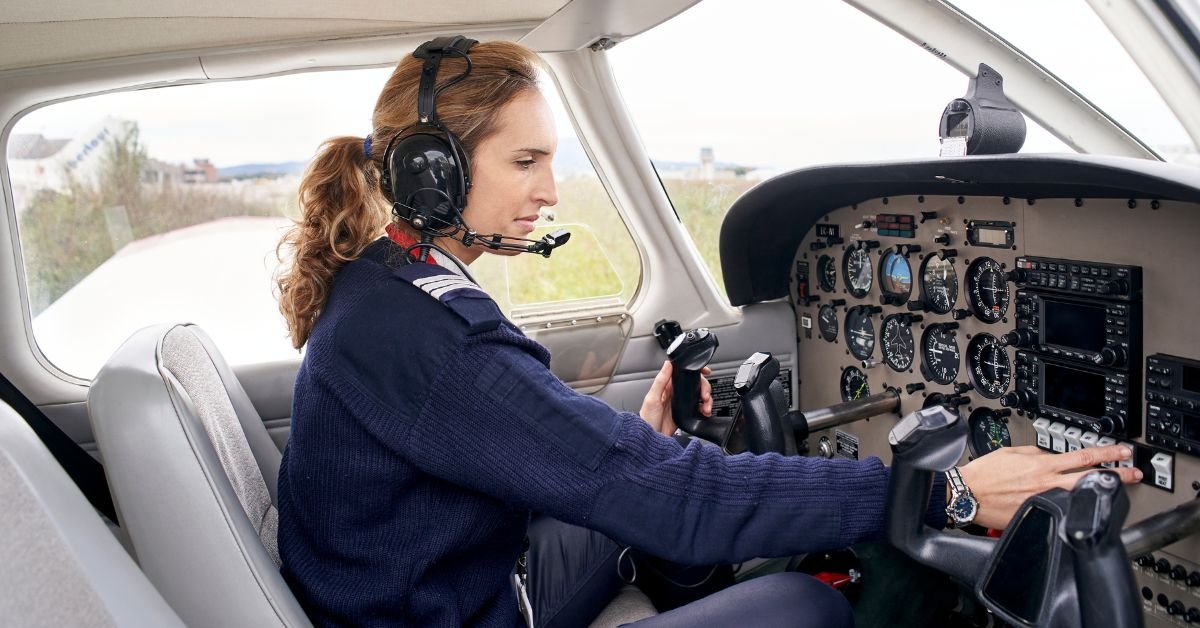
Many people think of flight school as a dream for young people fresh out of college or high school, but that’s a mistake. For nontraditional students — career changers, parents returning to work, or those who did not follow a linear educational path — flight school can be a surprisingly practical and exciting route. Choosing to become a pilot or aviation professional is not just for a select few. With growing demand in the aviation industry and flexible learning paths, flight training offers a real, achievable path for a new career.
A Growing Field with Real Demand
The aviation industry is recovering and expanding. Airlines, private charter companies, cargo operators, and flight training centers all need qualified pilots. As older generations of pilots retire, there is a significant shortage of new ones to fill the gap. That means someone entering flight school today may find strong job prospects once they complete their training.
In addition, many people are realizing that becoming a pilot is not just about passenger airlines. There are many different aviation careers: flight instructor, corporate pilot, cargo pilot, or even roles in unmanned aerial systems. This variety gives nontraditional students a range of options to match their personal goals, lifestyle, and financial needs.
Why It Works for Nontraditional Students
Unlike most four-year degree programs, flight school can be structured in a way that suits nontraditional students. Many training programs offer flexible schedules: early-morning or evening classes, part-time training, or blended learning that mixes online ground school with in-person flight instruction. That flexibility means someone who has work or family responsibilities can still pursue aviation training without giving up their current job entirely.
Moreover, the cost of flight training, while substantial, is often more manageable than many expect. There are financing options, scholarships, and training loans specifically designed to help aspiring pilots. Nontraditional students may also be able to apply their existing income or savings to fund their training more efficiently. Once licensed, they often command salaries that make the investment worthwhile over time.
Real-World Training Options
When exploring aviation training, nontraditional students should consider well-established training centers that offer hands-on experience. For example, there are options like flight school that allow people to begin training in a supportive, structured environment suited to adult learners. With a reputable program, students can complete their ground instruction, flight hours, and check rides in a way that balances quality and flexibility.
These kinds of schools often provide a strong mentorship network, pairing trainees with instructors who understand the unique challenges of someone changing careers later in life. That mentorship can make a huge difference in helping new students succeed, especially when balancing training with other life demands.
Support Is Key
One of the most important factors to consider is providing support for nontraditional students throughout the journey. Many flight training programs, as well as broader educational institutions, offer dedicated support systems to help with academic advising, financial counseling, and time management. This kind of support can make all the difference in keeping someone motivated, on track, and confident in their training path.
Support for adult learners matters not only during training but beyond. Being part of a cohort of other nontraditional students helps reduce the isolation that sometimes comes with career change. Peer networks, instructor guidance, and institutional resources combine to create an environment where students feel encouraged rather than overwhelmed.
Development of Transferable Skills
One of the biggest advantages of flight school for career changers is the wealth of transferable skills gained during training. Piloting teaches problem-solving, decision-making under pressure, communication, leadership, and attention to detail. These are all highly valued in many industries, even outside of aviation.
Whether someone eventually stays in aviation or decides to shift into a related field — such as aerospace operations, safety management, or aviation consultancy — having a pilot’s training on a resume signals strong discipline and technical ability. That makes flight school not just a route to become a pilot, but a way to build a skill set that opens multiple doors.
How to Choose the Right Flight Training Program
Selecting the right flight school is critically important. Nontraditional students should look for the following qualities:
- Accreditation: Ensure the training program is recognized by relevant aviation authorities or regulatory bodies. Accredited schools maintain higher standards and better safety records.
- Flexible scheduling: Seek programs that offer part-time training, evening or weekend classes, or a tailor-made schedule to fit personal obligations.
- Support infrastructure: Choose schools with strong advising, financial counseling, and peer networks to help you manage both training and life.
- Mentorship: Instructors who understand what it means to start a second career can make a big difference in both success and morale.
- Cost transparency: Evaluate the full cost (flight hours, ground instruction, exam fees) and ask for detailed breakdowns to avoid surprises.
- Career pathways: Look for training centers that help with job placement, networking, or continuing education; that can help you maximize your return on investment after certification.
Long-Term Return on Investment
The ROI for flight school can be very strong — particularly for nontraditional students committed to making a career shift. After certification, pilots often find work in commercial, private, or instructional aviation roles. With experience, many move into highly compensated positions, especially in corporate or cargo aviation. Even if someone does not fly full-time forever, the professional discipline developed during training can boost opportunities in related fields such as aviation safety, ground operations, or even aviation consulting.
Additionally, nontraditional students frequently appreciate the personal rewards: the fulfillment of learning a new and technically demanding skill, the thrill of flight, and the confidence of having completed rigorous training. These non-financial returns can be just as meaningful, especially for someone deliberately choosing a second career as a pilot.
A Second Career That Really Takes Off
For nontraditional students considering a career change, flight school offers a powerful and practical option. The aviation world is not just for the young or for those who have always dreamed of flying — it is increasingly open to people from all walks of life who bring diverse experiences, maturity, and commitment.
With thoughtful planning, flexible scheduling, and strong support structures, nontraditional students can succeed in flight training, earn their licenses, and embark on a truly transformative second career. Whether someone seeks the thrill of flying, the stability of aviation work, or the broader professional growth that comes with becoming a pilot, flight school represents a viable and empowered choice.

