


Brought to you by Law Offices of Peter Briskin, P.C.:
In today’s fast-paced business environment, safety is no longer limited to what happens behind closed doors. For New Jersey companies of all sizes — from small offices to sprawling distribution centers — pedestrian safety is an essential yet often overlooked element of a comprehensive workplace safety strategy. Every day, employees, visitors, vendors, and clients navigate parking lots, loading docks, sidewalks, and crosswalks just to reach the front door.
Yet, pedestrian incidents remain one of the leading causes of workplace injuries and fatalities nationwide. When a company fails to recognize these risks, the human and financial costs can be staggering. For forward-thinking employers, investing in pedestrian safety not only protects people — it safeguards your bottom line, boosts your reputation, and demonstrates genuine corporate responsibility to your workforce and community.
The Hidden Dangers: Why Pedestrian Risks Are Rising
Many business leaders underestimate the daily hazards that pedestrians face on or near company property. In busy commercial hubs across New Jersey, vehicles, delivery trucks, and foot traffic often intersect in tight spaces with minimal barriers or clear markings. A distracted driver backing out of a tight parking space or a poorly lit crosswalk at shift change can spell disaster in seconds.
Beyond the immediate risk of injury, companies face significant exposure when an accident occurs. Insurance claims, workers’ compensation cases, legal fees, and regulatory scrutiny can follow a single incident. For businesses already operating on thin margins, the ripple effects can be financially devastating. Proactive safety planning is no longer optional — it’s a smart and necessary investment that directly affects the longevity and resilience of any business.
Common High-Risk Areas Around Business Premises
It’s easy to assume that once employees clock in, they’re safe. But studies consistently show that many pedestrian accidents happen just steps away from a workplace entrance — in parking lots, near loading bays, or along public sidewalks that border company property.
Many high-risk areas share the same hazards: poor lighting, confusing signage, tight spaces, and inadequate separation between foot and vehicle traffic. For example, delivery areas often see heavy truck movement during early morning or late-night hours when visibility is limited. Similarly, customer parking lots can turn into danger zones during peak business hours if crosswalks and speed limits aren’t clearly marked or enforced.
To tackle these risks, businesses must conduct regular site audits and identify problem spots where pedestrians and vehicles intersect. By doing so, you create an actionable roadmap for improvements that can dramatically lower the likelihood of an accident.
Why Ignoring Pedestrian Safety Costs More in the Long Run
Some companies may see pedestrian safety as a nice-to-have feature rather than a core responsibility. However, neglecting it can lead to far greater costs down the line. A single preventable accident can result in steep medical bills, legal settlements, OSHA penalties, and a sharp increase in workers’ compensation premiums.
Even more damaging is the reputational fallout. News of a serious pedestrian accident can spread quickly — especially if negligence is involved. For companies that rely on local community trust or consumer loyalty, a tarnished reputation can be difficult and costly to rebuild. Investing in basic infrastructure, clear policies, and ongoing training is far cheaper than paying for the aftermath of an avoidable incident.
Practical Steps to Improve Pedestrian Safety
Every workplace is unique, but certain safety practices apply universally. The good news is that many improvements are relatively low-cost and can be implemented quickly with big results.
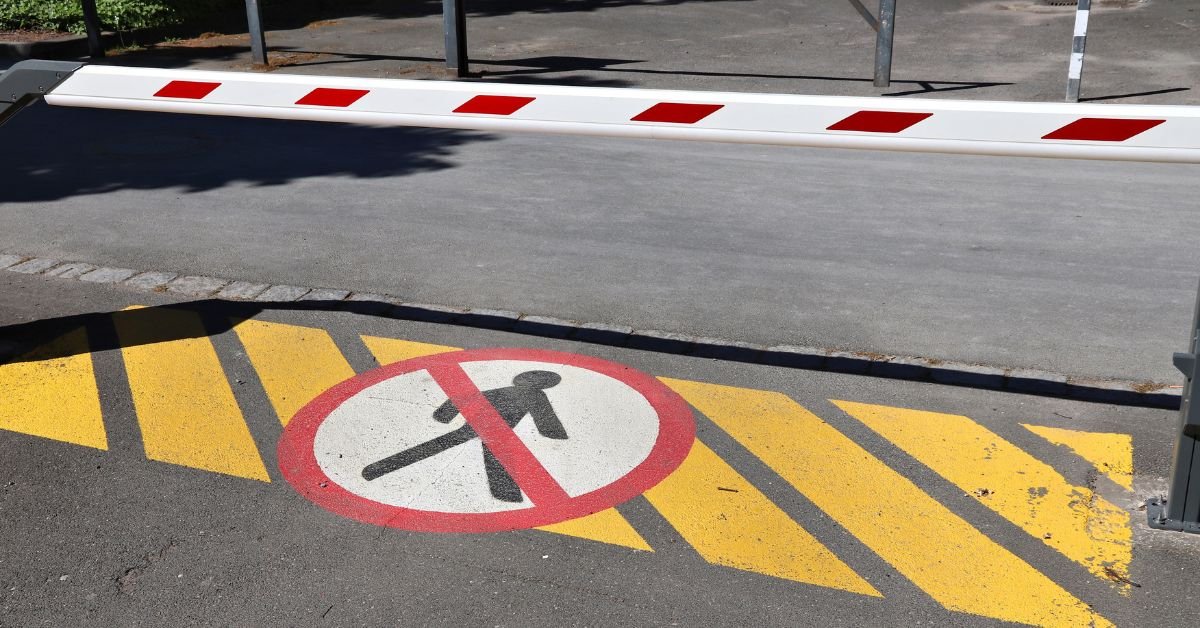
Start by ensuring that your site has adequate signage that clearly marks crosswalks, loading areas, and pedestrian-only zones. Well-painted walkways guide both foot and vehicle traffic and reduce confusion. Evaluate lighting during all hours of operation — shadows and dark corners dramatically increase the risk of accidents.
Next, install speed bumps or barriers where appropriate to slow vehicle traffic. If your company operates forklifts or heavy equipment near foot traffic, be sure that operators are properly trained and that pedestrians know how to stay clear of active equipment. Small physical changes can have a huge impact on keeping your people safe.
Practical Site Upgrades for Safer Walkways
Improving physical infrastructure doesn’t have to mean a massive renovation. Many practical upgrades can be phased in gradually while delivering immediate safety benefits.
Start with the basics: repaint faded crosswalks and pedestrian lines regularly, and ensure all signage is clear, visible, and well-placed. Consider installing motion-sensor lighting in dark areas such as side entrances or remote parking sections. For larger sites, protective barriers can separate pedestrian paths from vehicle lanes, dramatically reducing collision risk.
Businesses with high foot traffic may benefit from installing raised crosswalks, which naturally slow down approaching vehicles. Additionally, providing designated drop-off and pick-up zones helps organize the flow of cars, delivery trucks, and pedestrians — minimizing chaos during busy times of day.
Training Employees to Recognize Hazards
Even the best physical upgrades won’t be fully effective without human awareness. A strong pedestrian safety culture requires ongoing education for all employees — not just drivers or security staff. Everyone should understand where the risk zones are and how to behave safely near them.
Hold regular safety meetings that highlight real-life scenarios and near-misses. Create clear reporting procedures so that employees can easily flag hazards like broken lights or obstructed walkways before they cause harm. Empower supervisors to lead by example and keep pedestrian safety top of mind during daily operations.
Building Accountability Through Policy and Culture
Written safety policies must be clear, accessible, and enforced consistently. A pedestrian safety policy should outline who’s responsible for inspections, what maintenance needs to happen and when, and how to handle emergencies if an accident occurs.
Beyond formal policy, it’s culture that truly keeps people safe. Recognize and reward employees who spot hazards or suggest safety improvements. Make pedestrian safety part of onboarding and annual training so that new hires immediately know that their well-being is valued and protected.
What to Do When an Accident Happens
Despite the best plans and precautions, accidents can still occur. When they do, a company’s response can make all the difference in protecting victims, minimizing legal exposure, and preserving trust with employees and the community.
First, ensure the injured person receives prompt medical care. Then, investigate thoroughly to understand what went wrong and how it can be prevented in the future. Maintain clear communication with any injured parties and their families to demonstrate care and accountability.
In more serious cases, victims may need legal help to pursue fair compensation. Consulting a trusted New Jersey pedestrian accident attorney can help injured pedestrians understand their rights and options. For businesses, cooperating fully and fairly often goes a long way toward resolving cases responsibly.
Learning and Improving After an Incident
Accidents are unfortunate, but they can also be valuable learning opportunities if handled correctly. After addressing the immediate situation, companies should review policies and procedures to identify gaps that need to be closed. Bring in safety consultants if needed and communicate changes clearly to all employees.
By treating every incident as a chance to learn and improve, businesses build resilience and earn trust. Over time, this commitment to continuous improvement strengthens your safety culture and reduces the likelihood of future accidents.
The Broader Business Case for Pedestrian Safety
Pedestrian safety is about far more than avoiding lawsuits or fines — it’s about building a responsible business that people want to work for and work with. A safe environment reduces absenteeism, boosts morale, and shows employees that their well-being comes first.
Customers and community members notice, too. Businesses that take the lead on local safety issues often build stronger ties with their neighborhoods and local governments. In some cases, companies even collaborate with city planners to improve crosswalks or lighting near their properties, benefiting the entire community.
Supporting Local Safety Initiatives
Forward-looking companies don’t stop at the edge of their property line. Supporting broader community pedestrian safety programs — like sponsoring local crosswalk improvements or hosting awareness campaigns — demonstrates a commitment that extends beyond profit.
Such efforts not only make surrounding areas safer but also position your company as a good neighbor and a trusted local partner. For New Jersey businesses, this kind of leadership can set you apart in crowded, competitive markets.
Conclusion
When businesses in New Jersey take pedestrian safety seriously, everyone benefits. Employees feel valued, visitors feel welcome, and costly accidents become less likely. A thoughtful mix of infrastructure improvements, training, clear policies, and community engagement creates an environment where people can move safely and confidently.
Companies that build pedestrian safety into their DNA earn a reputation for responsibility and care — traits that attract talent, strengthen brands, and reduce risk over time. For business owners, it’s one of the smartest investments you can make.
When the unexpected does happen, knowing that help is available matters. If you or someone you know has been injured as a pedestrian near a workplace, consulting an experienced New Jersey pedestrian accident attorney can help ensure fair treatment and just compensation.

