

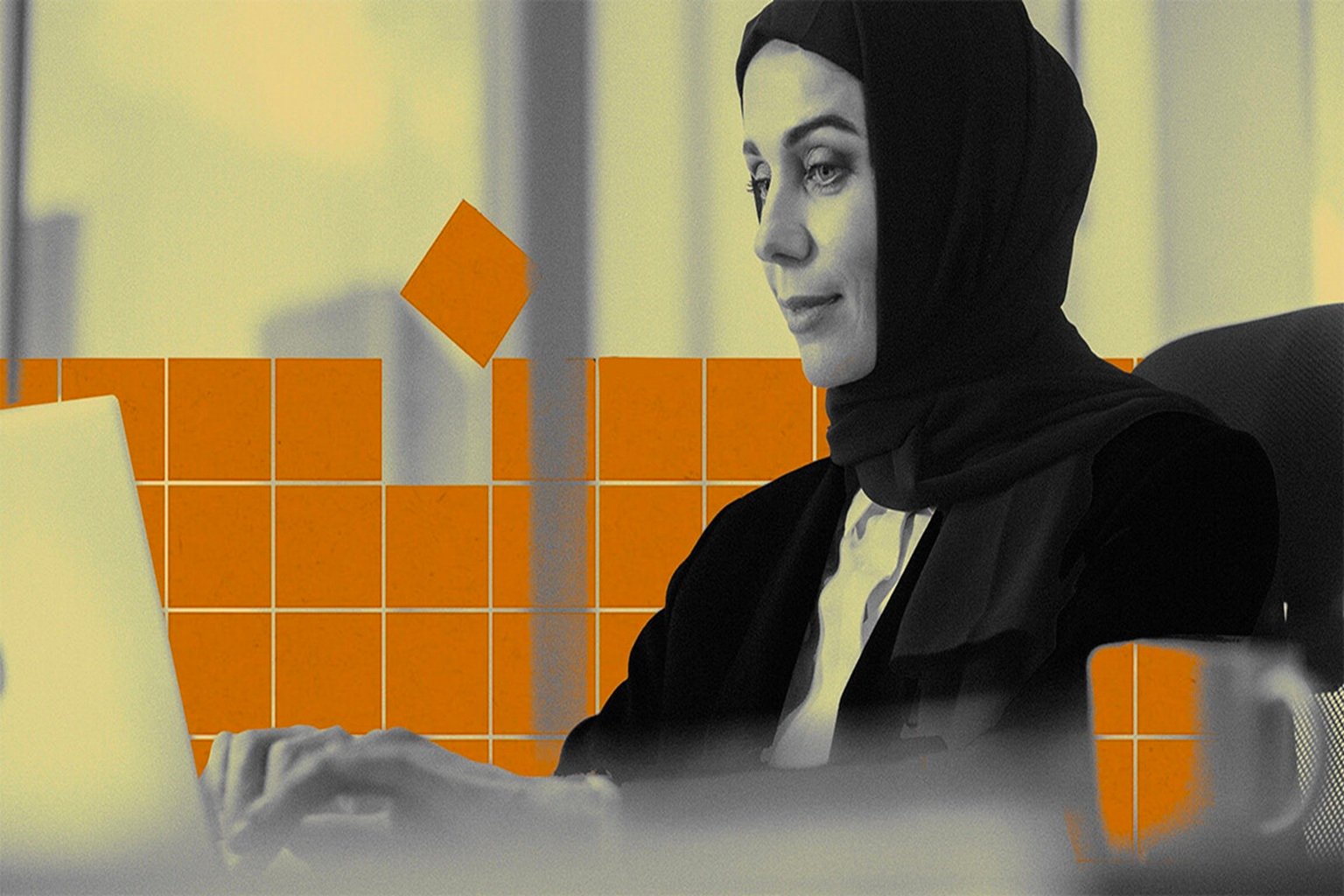
In recent years, women entrepreneurs in the Middle East have shown incredible growth and success. From starting small businesses to leading big companies, women are breaking traditional barriers and creating new opportunities. Countries like the UAE, Saudi Arabia, and Qatar are now supporting women in business more than ever before.
This positive change is not only helping women achieve financial independence but also contributing to economic growth in the region.
The Rise of Women Entrepreneurs in the Middle East
The Middle East is witnessing a strong rise in female entrepreneurship. Governments are encouraging women through policies, funding programs, and training initiatives. For example, Saudi Arabia’s Vision 2030 focuses on increasing women’s participation in the workforce.
Women are now entering industries like:
- Technology
- E-commerce
- Fashion
- Healthcare
- Education
This shift shows that women are no longer limited to traditional roles but are becoming leaders and innovators.
Challenges Faced by Women Entrepreneurs
Even though progress is happening, women still face several challenges in the Middle East.
1. Cultural Barriers
In some areas, traditional beliefs still limit women’s roles in business.
2. Limited Access to Funding
Women entrepreneurs sometimes find it harder to get loans or investment compared to men.
3. Networking Issues
Business networking opportunities may be limited for women in certain regions.
4. Work-Life Balance
Managing both family and business responsibilities can be challenging.
Despite these difficulties, many women are overcoming these barriers with determination and smart strategies.
Success Stories Inspiring Change
Many successful women entrepreneurs are setting examples in the Middle East.
- Women-led startups are gaining international recognition
- Female founders are raising millions in funding
- Women are leading tech innovations and digital businesses
These success stories inspire other women to start their own businesses and believe in their potential.
Government Support and Initiatives
Governments in the Middle East are playing a key role in empowering women entrepreneurs.
Key initiatives include:
- Startup funding programs
- Business training workshops
- Women-focused incubators and accelerators
- Legal reforms supporting women-owned businesses
For example, Saudi Arabia and the UAE have simplified business registration processes, making it easier for women to start companies.
Role of Technology in Empowering Women
Technology has become a powerful tool for women entrepreneurs.
Benefits of technology:
- Online businesses reduce the need for physical offices
- Social media helps in marketing and branding
- E-commerce platforms make selling easier
- Remote work increases flexibility
Women are using digital platforms to grow their businesses globally without major limitations.
The Future of Women Entrepreneurship in the Middle East
The future looks very bright for women entrepreneurs in the region. With increasing support, better education, and access to technology, more women are expected to enter the business world.
Future trends:
- Growth in tech startups led by women
- More women investors and leaders
- Increased global collaborations
- Stronger support systems and communities
Women are not just participating in business—they are leading innovation and shaping the future.
Conclusion
Women entrepreneurs in the Middle East are breaking barriers and proving that success has no gender. With courage, innovation, and support from governments and society, women are building strong businesses and inspiring others.
As opportunities continue to grow, the region will see even more powerful female leaders driving change and economic growth.
FAQs
1. Why are women entrepreneurs increasing in the Middle East?
Women entrepreneurs are increasing due to government support, better education, and more opportunities in business and technology.
2. What challenges do women entrepreneurs face in the Middle East?
They face challenges like cultural barriers, limited funding, networking issues, and balancing work with family life.
3. Which industries are popular among women entrepreneurs in the Middle East?
Popular industries include technology, e-commerce, fashion, healthcare, and education.
4. How is technology helping women entrepreneurs?
Technology helps women start online businesses, reach global customers, and manage work more efficiently.
5. What is the future of women entrepreneurs in the Middle East?
The future is very promising, with more support, investment opportunities, and leadership roles for women in business.
