

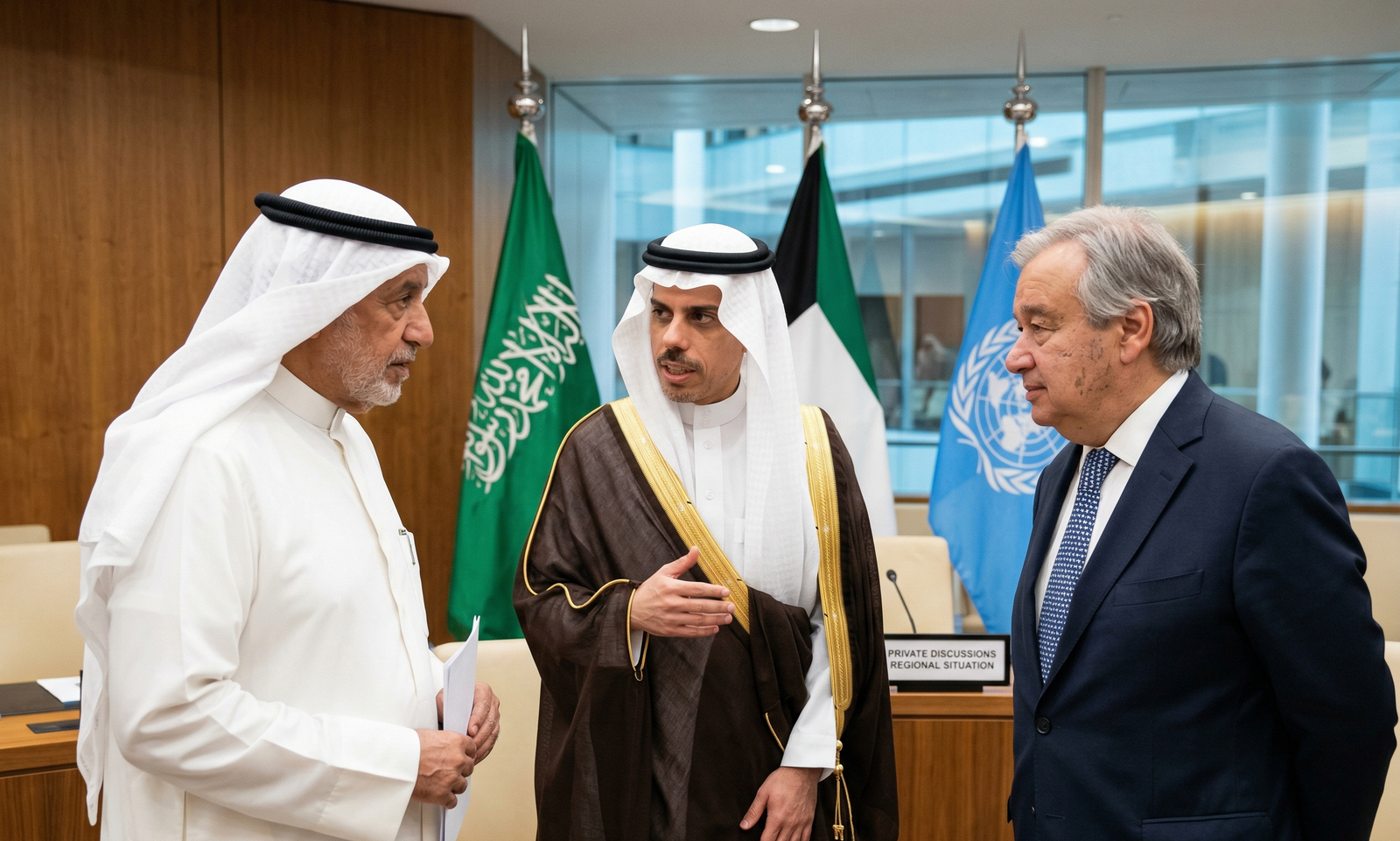
In a time of rising tensions and changing political dynamics in the Middle East, diplomacy plays a key role in maintaining peace and stability. Recently, the Saudi Foreign Minister Faisal bin Farhan Al Saud held important discussions with his Kuwaiti counterpart and the Antonio Guterres, Secretary-General of the United Nations.
These talks focused on the current regional situation, ongoing conflicts, and the need for cooperation among nations. This blog explains the discussion in simple language and highlights why it matters for the region and the world.
Background of the Meeting
The Middle East has been facing several challenges such as political conflicts, security threats, and humanitarian crises. Countries like Saudi Arabia and Kuwait play an important role in maintaining stability in the Gulf region.
The meeting between the Saudi Foreign Minister and Kuwait’s Foreign Minister aimed to:
- Strengthen diplomatic ties
- Discuss regional conflicts
- Promote peace and cooperation
The involvement of the UN chief shows that the issue is not just regional but has global importance.
Key Topics Discussed
1. Regional Security
One of the main topics was the security situation in the Middle East. The leaders discussed ways to reduce tensions and avoid further conflicts.
They emphasized:
- Peaceful dialogue
- Avoiding military escalation
- Protecting civilians
2. Role of Diplomacy
Diplomacy is always better than conflict. The ministers highlighted the importance of communication between countries to solve problems.
Key points included:
- Strengthening international cooperation
- Supporting peaceful negotiations
- Encouraging unity among Gulf countries
3. Humanitarian Concerns
The leaders also discussed humanitarian issues, especially in conflict-affected areas.
Focus areas:
- Providing aid to affected people
- Supporting refugees
- Ensuring basic human rights
The UN plays a major role in managing these humanitarian efforts.
4. Role of the United Nations
Antonio Guterres emphasized the importance of global cooperation. The UN aims to:
- Promote peace
- Prevent conflicts
- Support humanitarian missions
Saudi Arabia and Kuwait showed their support for the UN’s efforts in maintaining global stability.
Importance of Saudi-Kuwait Relations
Saudi Arabia and Kuwait have strong political and economic ties. Their cooperation is important for the Gulf region.
Benefits of Strong Relations:
- Better regional security
- Economic growth
- Political stability
Both countries often work together on major international issues.
Impact on the Middle East
The discussion between these leaders can have a positive impact on the region.
Possible Outcomes:
- Reduced tensions
- Increased cooperation
- Better crisis management
When strong countries work together, it creates hope for peace in the region.
Global Significance
This meeting is not only important for the Middle East but also for the world.
Why it matters globally:
- Stability in the Middle East affects global oil markets
- Peace reduces the risk of international conflicts
- Cooperation strengthens global security
The involvement of the United Nations highlights the global importance of these discussions.
Future Expectations
Moving forward, countries are expected to:
- Continue diplomatic talks
- Work closely with international organizations
- Focus on long-term peace solutions
If these efforts continue, the region may see more stability and cooperation.
Conclusion
The discussion between the Saudi Foreign Minister Faisal bin Farhan Al Saud, his Kuwaiti counterpart, and Antonio Guterres reflects a strong commitment to peace and stability.
In today’s complex world, such diplomatic efforts are essential. By focusing on dialogue, cooperation, and humanitarian support, these leaders are taking important steps toward a better and more peaceful future.
FAQs
1. Why did the Saudi Foreign Minister meet with Kuwait and the UN chief?
The meeting was held to discuss regional issues, promote peace, and strengthen cooperation.
2. What were the main topics of discussion?
Regional security, diplomacy, humanitarian concerns, and the role of the United Nations.
3. Why is the Middle East situation important globally?
It affects global security, oil markets, and international relations.
4. What role does the United Nations play in this situation?
The UN helps in peacekeeping, humanitarian aid, and conflict resolution.
5. What can be expected after this meeting?
Continued diplomatic efforts, better cooperation, and possible improvements in regional stability.
