

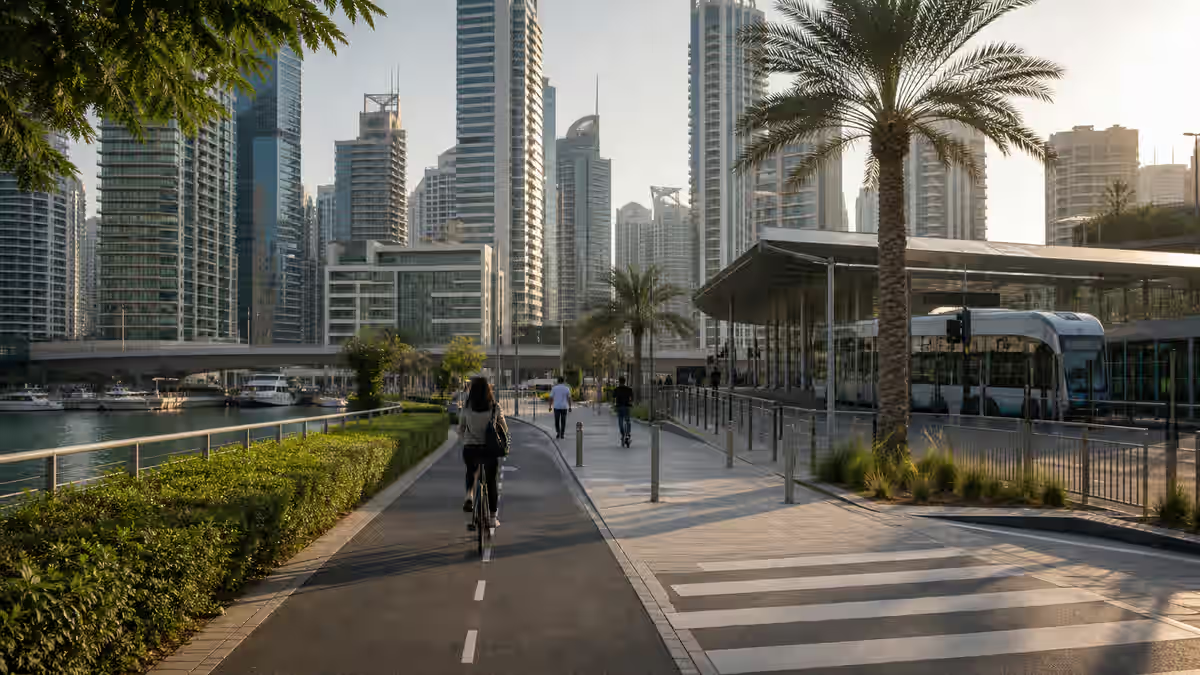
Dubai is preparing for a smarter, greener, and more connected future through its Dubai 2030 Mobility Plan. The plan focuses on improving transportation, reducing traffic congestion, and making travel easier for residents and visitors. As the city’s population continues to grow, better mobility solutions are becoming more important than ever.
From new roads and public transport upgrades to smart mobility technologies, Dubai’s vision aims to create a world-class transportation system that supports sustainable urban development.
In this article, we’ll explore the key areas included in Dubai’s 2030 Mobility Plan, the expected changes, and what they mean for people living and working in the city.
What Is Dubai’s 2030 Mobility Plan?
Dubai’s 2030 Mobility Plan is a long-term strategy designed to improve the city’s transportation network while supporting economic growth and environmental sustainability. The plan focuses on providing faster, safer, and more efficient travel options across Dubai.
Its main goals include:
- Reducing traffic congestion
- Expanding public transportation
- Encouraging walking and cycling
- Supporting electric and autonomous vehicles
- Improving road safety
- Lowering carbon emissions
- Connecting new residential and business communities
The plan aligns with Dubai’s broader vision of becoming one of the world’s smartest and most sustainable cities.
Areas Named Under the Dubai 2030 Mobility Plan
Several important districts are expected to benefit from transportation improvements under the mobility strategy.
Downtown Dubai
Downtown Dubai remains one of the busiest areas in the city. The mobility plan includes:
- Better road connectivity
- Improved pedestrian walkways
- Enhanced Metro access
- Smart traffic signal management
- Easier parking solutions
These upgrades aim to reduce congestion around popular attractions like Burj Khalifa and Dubai Mall.
Dubai Marina
Dubai Marina is known for heavy traffic during peak hours. Planned improvements include:
- Better public transport connections
- Improved cycling paths
- Water transport expansion
- Smart parking systems
- Faster road access
Residents and tourists will enjoy shorter travel times and more transportation choices.
Business Bay
Business Bay continues to grow as a major commercial hub.
Mobility improvements include:
- New road networks
- Better Metro connectivity
- Pedestrian-friendly streets
- Dedicated cycling routes
- Smart traffic monitoring
These changes will support the increasing number of offices and businesses in the area.
Dubai South
Dubai South plays an important role in Dubai’s future development.
The mobility plan supports:
- Road expansion
- Improved public transport
- Better airport connectivity
- Logistics infrastructure
- Smart mobility solutions
This area is expected to become a major business and residential destination by 2030.
Expo City Dubai
Expo City Dubai is evolving into a smart and sustainable urban center.
Transportation improvements include:
- Electric mobility options
- Driverless transport systems
- Expanded bus services
- Smart parking
- Green transportation initiatives
The focus is on creating a modern and environmentally friendly community.
Jumeirah Village Circle (JVC)
JVC has experienced rapid residential growth.
Planned changes include:
- Road widening
- Better traffic flow
- Improved public transport
- Safer pedestrian crossings
- Enhanced connectivity with surrounding communities
These improvements aim to reduce travel delays for residents.
Al Barsha
Al Barsha is another busy residential and commercial district.
Expected upgrades include:
- Improved road intersections
- Public transport expansion
- Bicycle lanes
- Traffic signal optimization
- Better pedestrian infrastructure
Key Changes Residents Can Expect
Expanded Public Transportation
Dubai plans to make buses, Metro, trams, and other transport services more accessible and reliable. Improved public transport can encourage more people to leave their cars at home, reducing traffic congestion.
Smart Traffic Management
Artificial intelligence and smart traffic systems will monitor roads in real time. These technologies can adjust traffic signals, detect incidents quickly, and improve traffic flow across the city.
More Cycling and Walking Infrastructure
Dubai is investing in:
- Dedicated cycling tracks
- Wider footpaths
- Safer pedestrian crossings
- Green walking spaces
These improvements encourage healthier and more sustainable transportation choices.
Electric Vehicle Support
As electric vehicle (EV) adoption grows, Dubai plans to increase:
- EV charging stations
- Green parking spaces
- Sustainable transportation infrastructure
This supports the UAE’s environmental goals and reduces carbon emissions.
Autonomous Transportation
Dubai continues investing in autonomous mobility.
Future developments may include:
- Self-driving taxis
- Autonomous buses
- Smart shuttle services
- AI-powered transportation management
These innovations aim to improve safety and travel efficiency.
Environmental Benefits
The Dubai 2030 Mobility Plan supports sustainability by:
- Reducing greenhouse gas emissions
- Improving air quality
- Lowering fuel consumption
- Encouraging clean transportation
- Supporting green urban development
These initiatives contribute to Dubai’s long-term environmental objectives.
Benefits for Businesses
Businesses across Dubai are also expected to benefit through:
- Faster employee commuting
- Better logistics
- Improved customer accessibility
- Reduced delivery times
- Enhanced investment opportunities
Efficient transportation helps strengthen Dubai’s position as a global business hub.
Benefits for Residents
Residents can expect:
- Shorter daily commutes
- Better public transportation
- Improved road safety
- Reduced traffic congestion
- More transportation choices
- Healthier lifestyle through walking and cycling
These improvements enhance overall quality of life.
The Future of Mobility in Dubai
Dubai’s transportation future combines technology, sustainability, and smart city planning. By 2030, the city aims to offer a connected mobility network where people can move quickly, safely, and efficiently using multiple transportation options.
From smart traffic systems to electric vehicles and expanded public transit, Dubai is building a transportation ecosystem designed to support future population growth while maintaining a high quality of life.
Conclusion
The Dubai 2030 Mobility Plan represents a major step toward creating a smarter, cleaner, and more efficient transportation system. With improvements planned for key areas such as Downtown Dubai, Business Bay, Dubai Marina, Dubai South, Expo City Dubai, Jumeirah Village Circle, and Al Barsha, residents and businesses can look forward to better connectivity and reduced travel times.
As Dubai continues investing in sustainable mobility, advanced technology, and modern infrastructure, the city is strengthening its reputation as one of the world’s leading smart cities and a global destination for innovation and urban development.
